‘America First’ National Parks List and Pricing Information
Disclosure: This post contains affiliate links. If you make a purchase through these links, I may earn a small commission at no additional cost to you. I only recommend products or services that I believe will add value to my readers.
In July 2025, United States President Donald Trump issued an executive order to Sec. Doug Burgum to “develop a strategy to increase revenue and improve the recreational experience at national parks by appropriately increasing entrance fees and recreation pass fees for nonresidents”.
In November of the same year, that plan was unveiled to the public as part of Trump’s “America First” policy plan. Beginning January 2026, nonresidents will pay a substantial surcharge, in addition to the standard entry fees, to access eleven of the most popular national parks.
The entry fees will remain as they are for U.S residents and any nonresident who is authorized to live in the United States (think foreign exchange student, permanent residents, etc). If you’re simply visiting, these new fees apply to you.
At the time of this post’s publishing, not all information has been released. However, we do know which national parks will be affected and how much the fees will be. If you’ll be visiting the U.S from another country and plan to visit the national parks, this post is for you. Let’s get into it.
‘America First’ National Parks Ticket Price
Effective January 1, 2026, nonresidents will pay a surcharge. This surcharge will be universal and won’t change according to which park you’re visiting. Additionally, these surcharges apply to standard entry fees and the ‘America the Beautiful’ pass. They are:
Standard entry: $100 per person
America the Beautiful pass: $250 per pass
We’ll hopefully get further clarity on the standard entry surcharge as it’s currently specified as “per person”. Currently, when paying the standard entry fee, it covers the vehicle and everyone in it (unless you’re part of a large group with more than fifteen).
For example, at Yosemite National Park the entry fee for non commercial, private vehicles up to 15 people is $35. That fee is good for three to seven days, depending on whether or not reservations are being enforced.
As it’s currently written, it appears as though the standard entry fee will still apply to the vehicle and cover up to the same number of people, however each person who’s a nonresident will have to pay the additional $100 fee.
It also isn’t clear if that $100 surcharge will cover the same amount of days as the standard entry fee does or if it’ll be charged on a per day basis. I’m leaning towards the former as charging it daily feels excessive.
If you’re planning to visit multiple national parks on the list then the ‘America the Beautiful” pass, despite its equally jarring price-hike, can still be a bargain. If you visit three parks on the list, you’ll come out ahead with the pass.
The pass covers the passholder and three other adults at sites that charge per person and covers all occupants at sites that charge per vehicle. It’s unclear if each nonresident will need a pass or if one will still cover multiple adults. If it’s the latter, then pass will become an even better economical option.
‘America First’ National Parks List
It’s important to note that not all national parks will be affected by this change. In fact, of the sixty-three designated national parks in the United States, only eleven of them will have these nonresident surcharges (for now).
Reason being is these are some of the most popular and overcrowded parks in the system. Additionally, they see a higher than average amount of international visitors as compared to the others. They are:
Sequoia & Kings Canyon National Park
Yellowstone National Park
Grand Teton National Park
Glacier National Park
Grand Canyon National Park
Bryce Canyon National Park
Zion National Park
Arcadia National Park
Everglades National Park
Rocky Mountain National Park
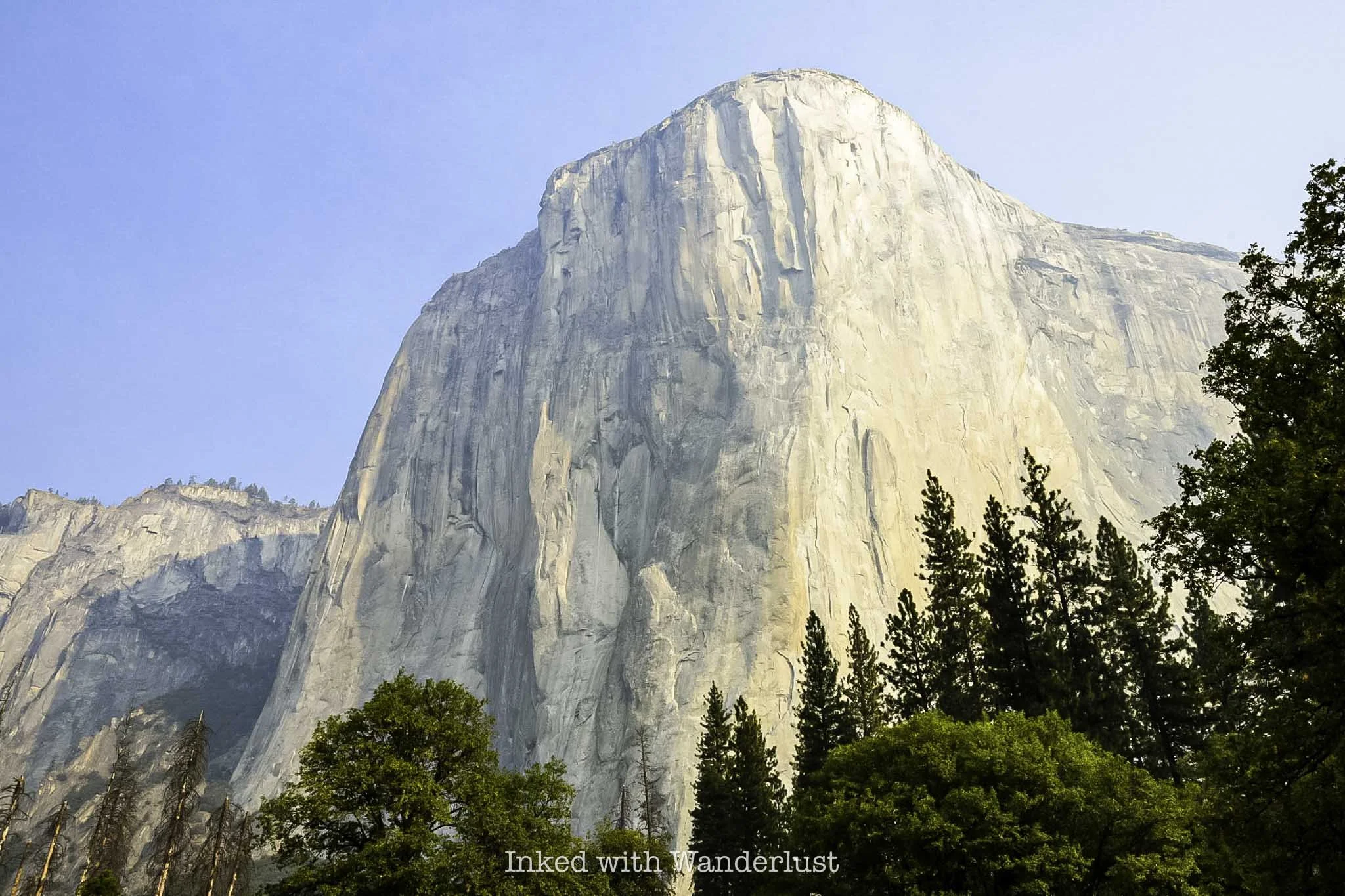
This list will likely evolve over time. Higher prices typically mean less people, meaning many nonresidents will opt to visit national parks that don’t have those surcharges. The adverse effect of this will likely mean more parks added to the list in the future as their international visitation rates rise.
Futhermore, another announced change that isn’t get the same attention are the “fee free” days. Traditionally, certain days of the year, such as holidays or days of note, are celebrated by the national park system via waiving standard entry fees for that specific day.
Up until now everyone, regardless of resident status, could take advantage of those days. Starting in January, though, nonresidents will still be required to pay the $100 surcharge (though the standard entry fee will be waived).
How to Pay the New Fees
*This information hasn’t been announced as of yet. The following is purely speculation on my part. I will update as more information becomes available.
Since 2020, national parks have stopped accepting cash as payment for all fees. Opting for an all-digital process. Furthermore, many of the parks on the aforementioned list require reservations to visit during specific times of the year.
Booking reservations and paying accompanying entry fees are mostly done on recreation.gov. Given this, I anticipate that these nonresident surcharges will also be available for purchase there as well.
It’ll not only be the preferred way of doing so, but it may even be required. If park staff charged these fees at the gate, they would need to sort through various identifications. This would take additional time, causing lines at the booths to back up even worse than they currently do.
Requiring nonresidents to verify their resident status and pay their fees online ahead of time takes the hassle out of it at the park level and allows park staff to expedite visitors through the gate.
Where Else to go in California to Avoid the Fee
California features two (technically, three) national parks on the nonresident list. If you’re not wanting to pay these new surcharges (can’t say that I blame you), there are a plethora of equally amazing sites in California I can recommend as alternates.
In Southern California there’s Joshua Tree National Park, Channel Islands National Park, Death Valley, a hike to the Hollywood Sign, the beaches of San Diego and La Jolla, and Catalina Island (among others).
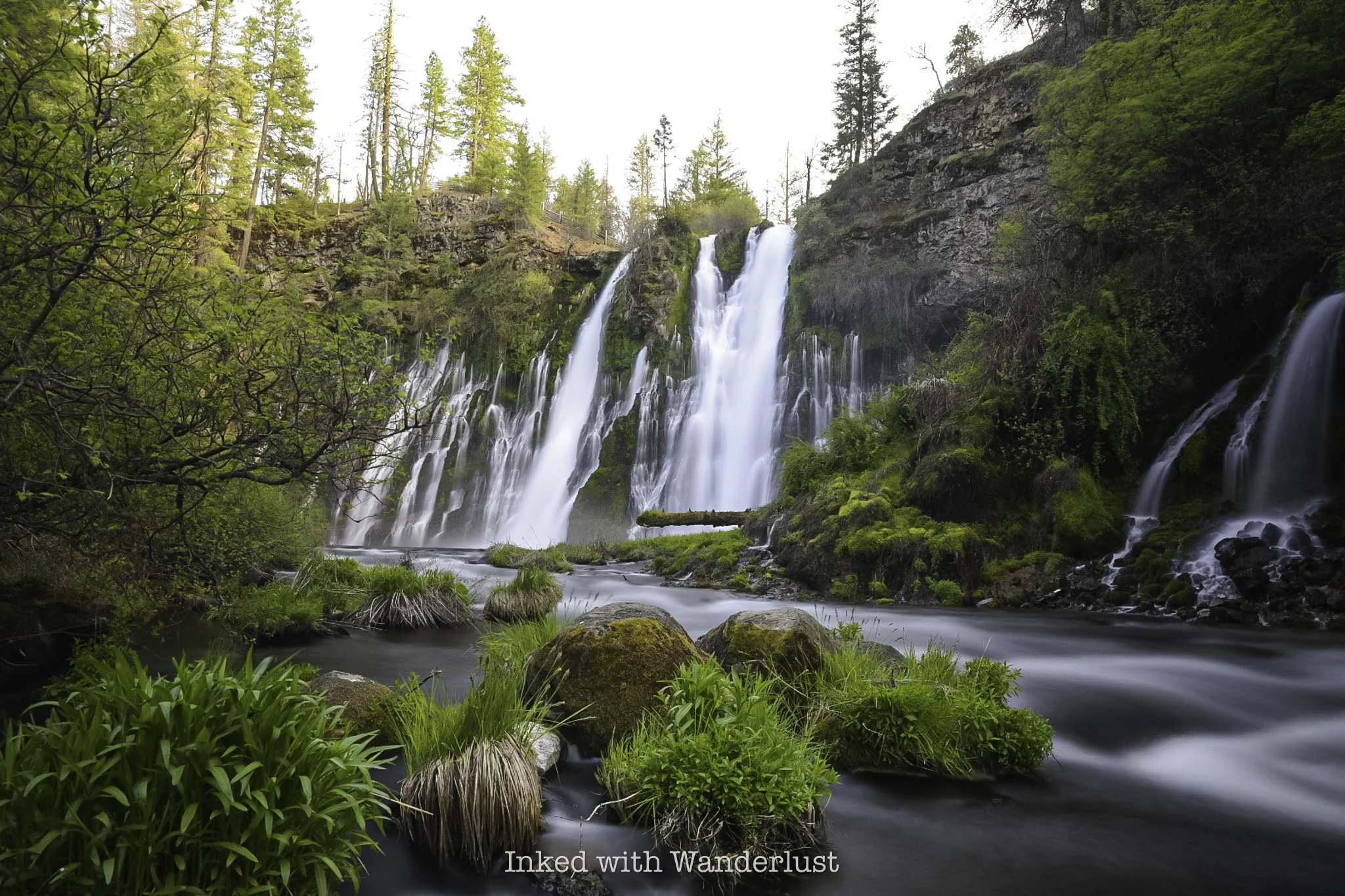
In Northern California, I cannot recommend a visit to Burney Falls enough. It’s one of the most beautiful sites you’ll ever see. Nearby is Mossbrea Falls, which is akin to stepping into a fantasy novel. Castle Crag State Park, Lassen Volcanic National Park, and Lake Tahoe, specifically Emerald Bay, are also great options.
Along famed Highway 395 are several high-profile natural attractions. Some of my personal favorites include:
Red Rock Canyon State Park (slight detour off 395)




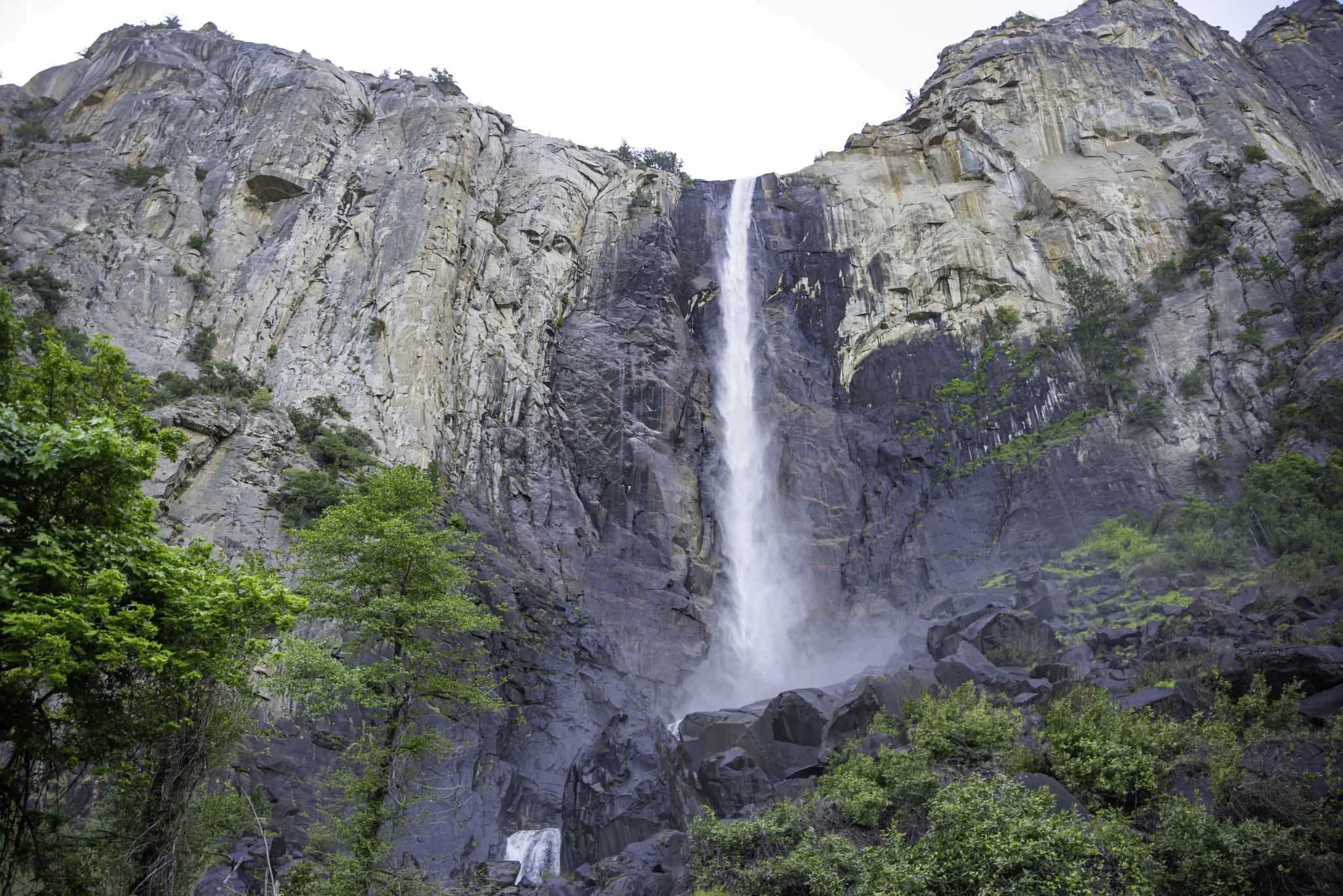


Formed roughly 80,000 years ago, the up to 60 foot basalt columns of Devil’s Postpile National Monument are a sight to behold. The saying, “you won’t believe it until you see it”, holds