How to Visit Devils Postpile and Rainbow Falls in Mammoth Lakes
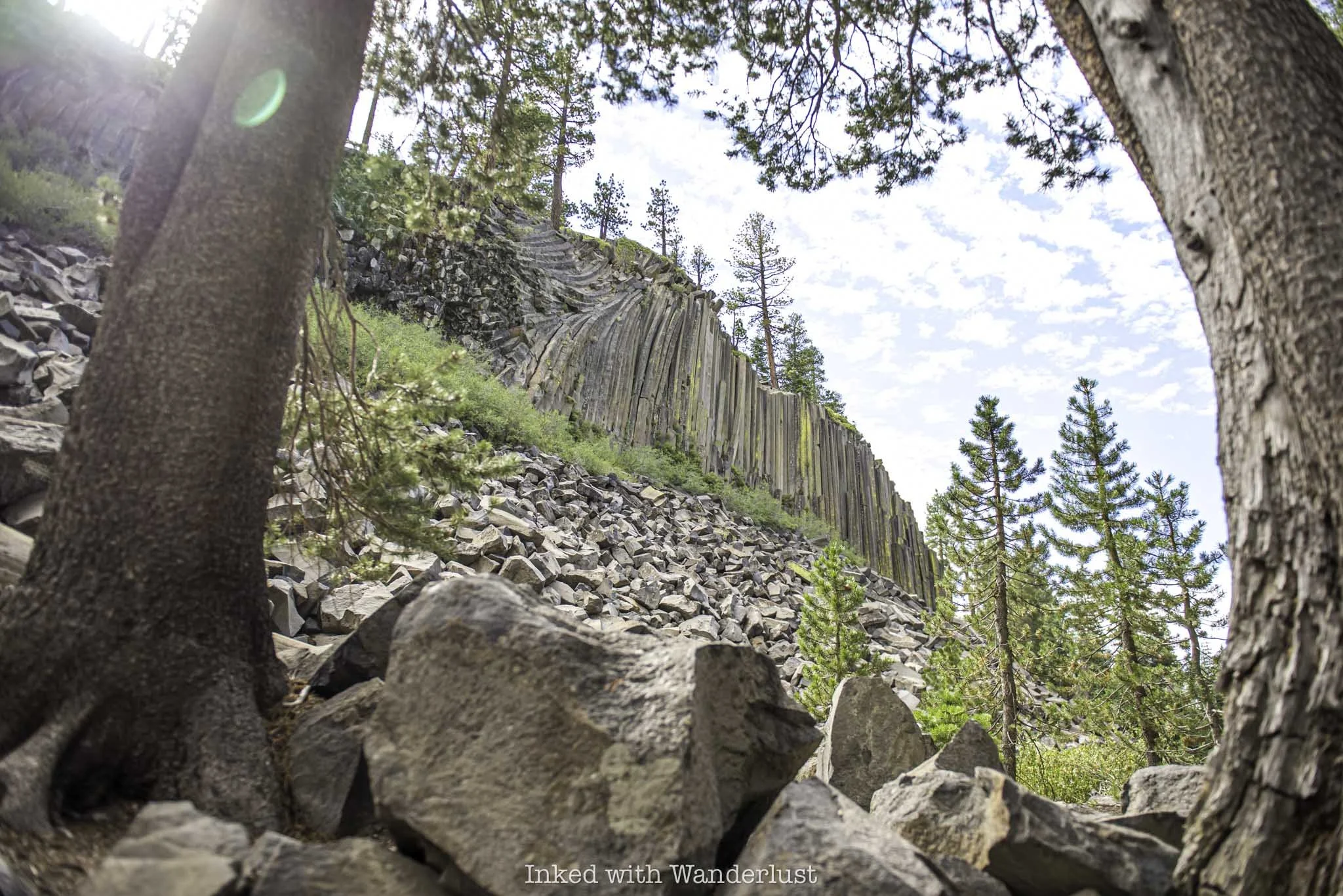
Located in beautiful Mammoth Lakes, just a short detour from famed Highway 395, is one of the most popular and awe-inspiring natural sights you’ll ever see - Devils Postpile National Monument.
Made up of a series of basalt-rock, hexagonal shaped columns upwards of 100K years ago, the postpile stands at a commanding sixty-feet high and offers visitors a chance to see the area’s volcanic and glacial past up close.
Additionally, just a short hike down from the postpile is one of the most beautiful and scenic waterfalls in California - Rainbow Falls. Time your visit just right and you may be lucky to bare witness to how it got its name.
In the post below, I’ll cover several topics such as how to get there, the parking situation, costs, what to expect along the trail, and more. Let’s get into it!
*If you’re finding my content helpful, please consider leaving a tip through the “Buy me a Coffee” button below. These tips help with ongoing costs such as parking fees, entry fees, meals, etc. Thank you!
Mammoth Mountain - Where it all Begins
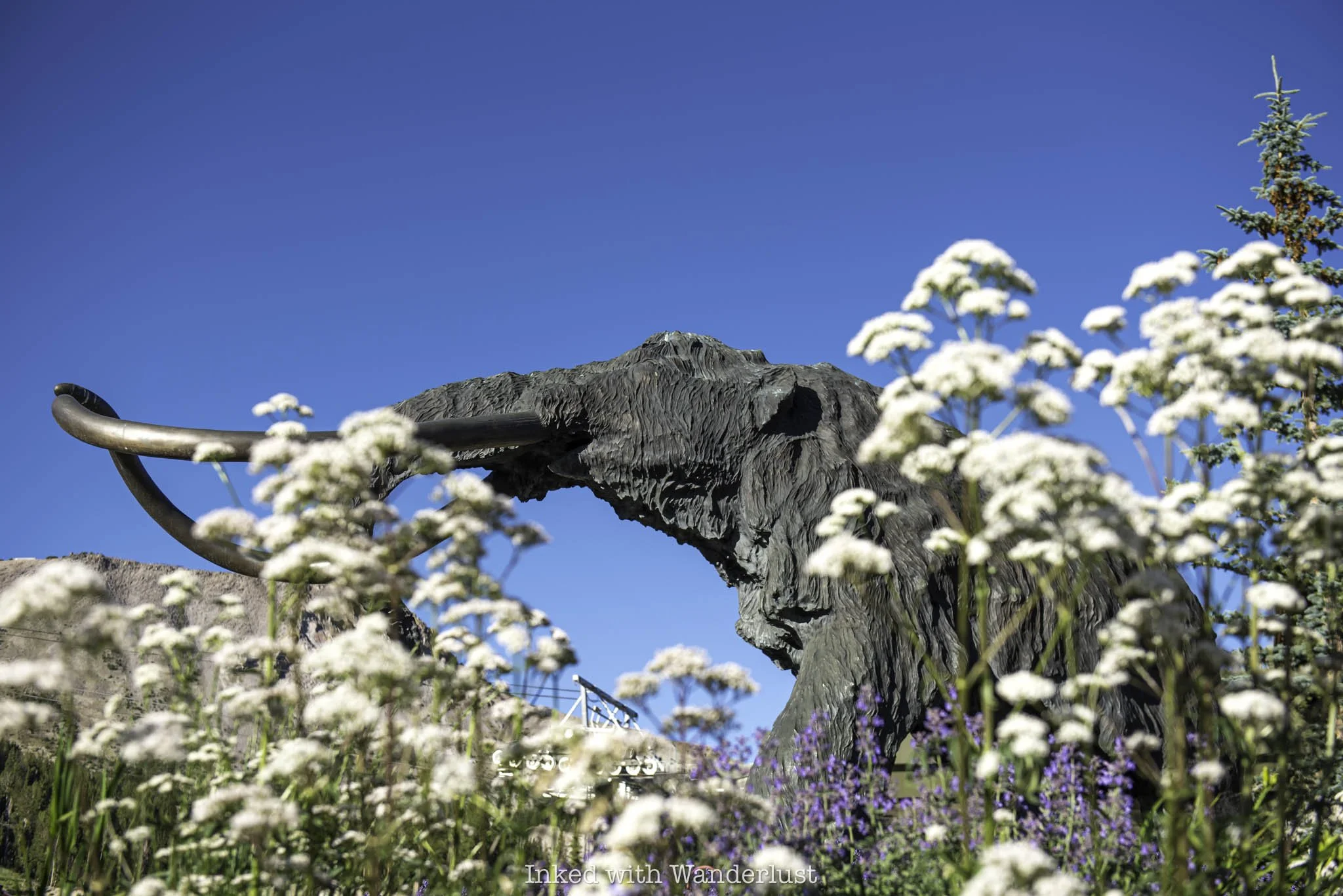
For most folks seeking to see Devils Postpile and Rainbow Falls, the journey begins (and ends) at the base of Mammoth Mountain, a popular ski resort located within the town of Mammoth Lakes, California.
The monument is located at the end of a narrow, mountainous road called Reds Meadow Road. It’s only partially paved and in a few spots, has barely enough room for two vehicles to pass one another.
Consequently, riding a shuttle to the monument is required most of the time. That shuttle leaves from and drops off at Mammoth Mountain. You can park in the preferred parking lot ($40) or park along the road for free.
Devils Postpile Shuttle
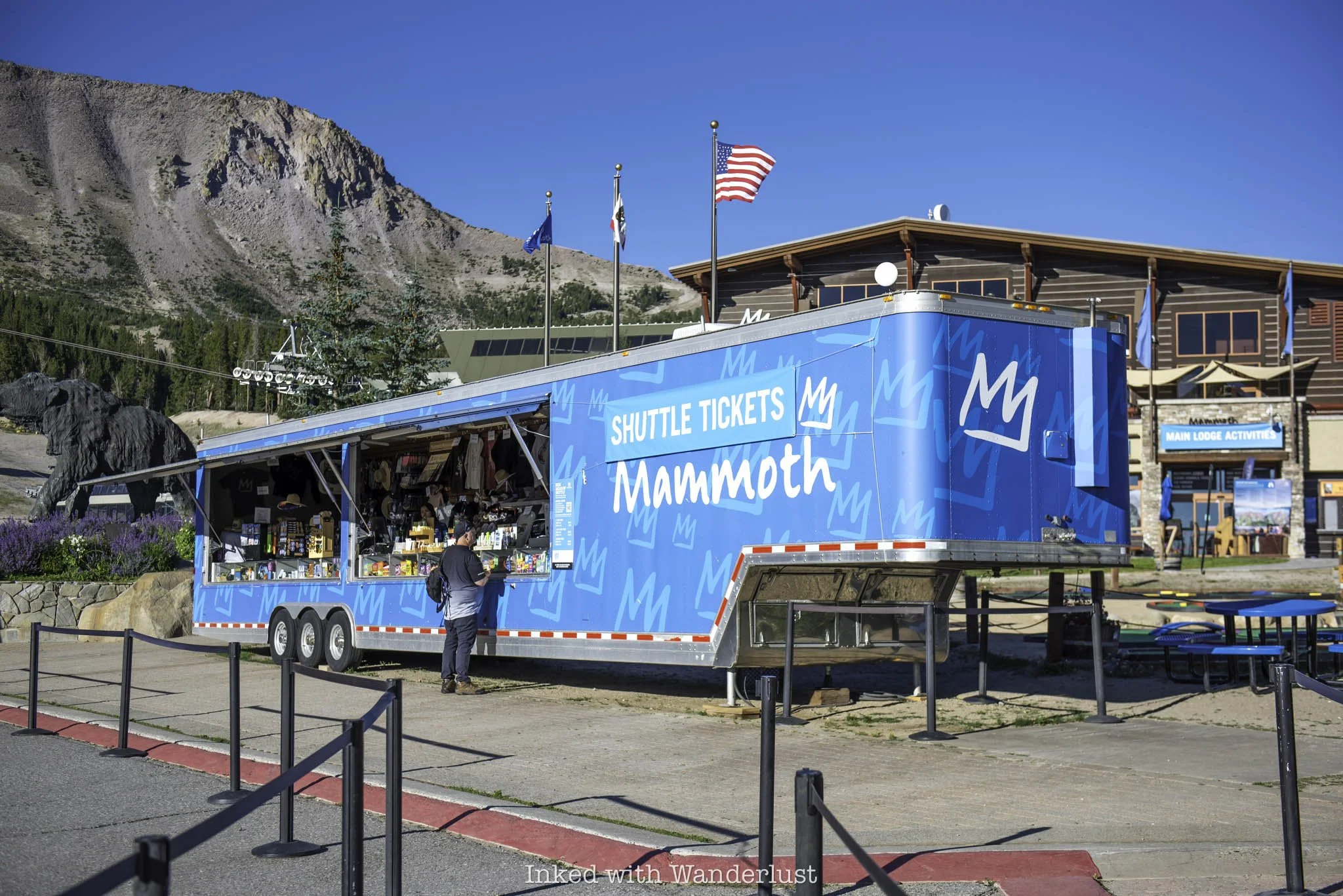
Visiting the monument itself is free, but there is a fee to ride the mandatory shuttle. You can purchase tickets online ahead of time at this link or purchase day-off at the blue trailer pictured above.
Devils Postpile shuttle ticket prices at the time of this post’s re-publishing are $15 for persons 18 and up and $7 for persons 3-17. Children under three years of age are free.
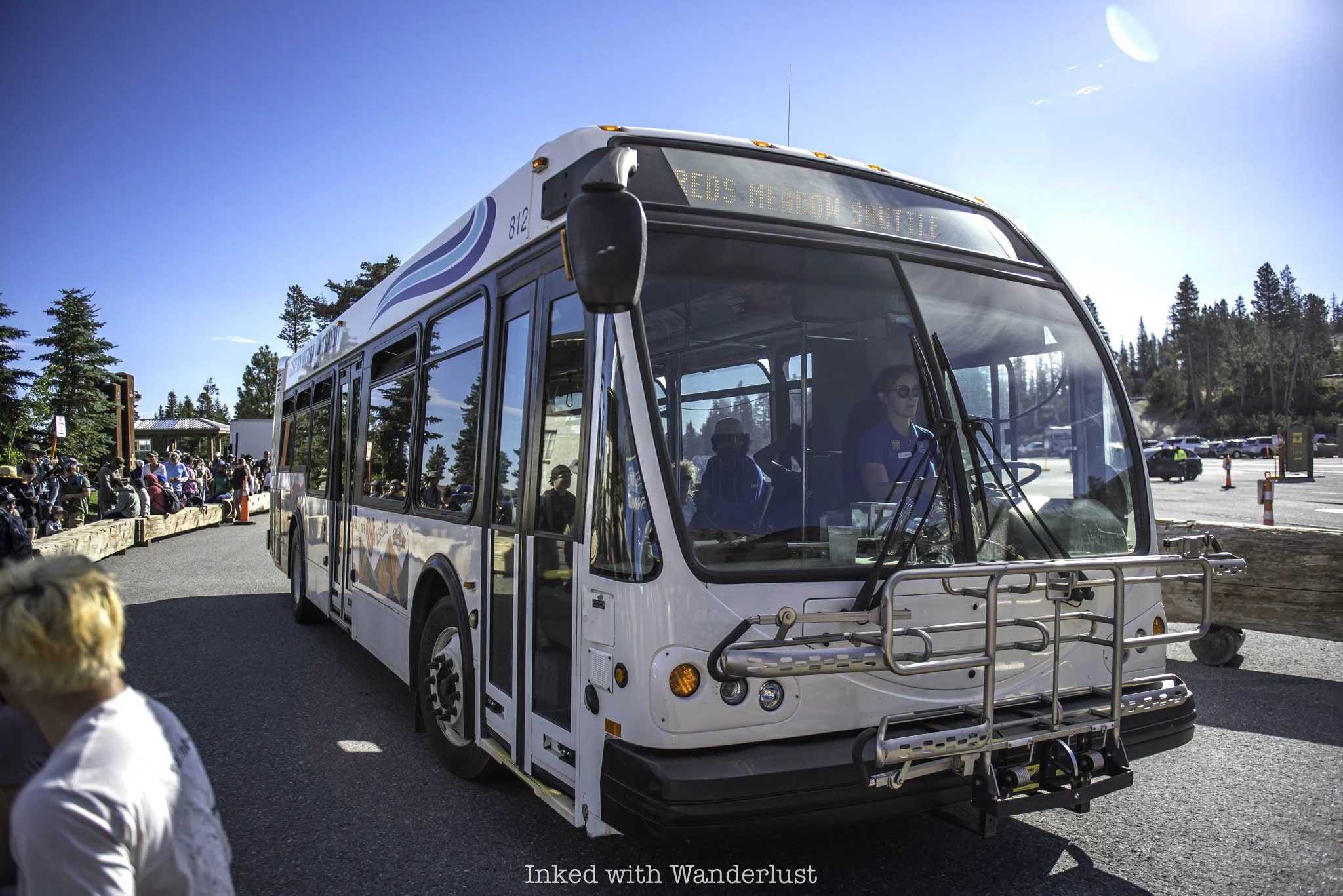
As stated above, there are a few exceptions to the mandatory shuttle. They are:
Arrive before 7am or after 7pm.
Have a handicap placard or plate.
Are staying at either the valley campground or Red Meadow’s Resort.
You’re arriving after shuttle operating hours or season.
You’re a hunter transporting game or weapons.
You’re towing livestock and are using the livestock on valley trails.
If you meet one of the exceptions above, you’ll be permitted to drive yourself down Reds Meadow Road. Just be mindful of the shuttles and remember that they have the right of way at all times.
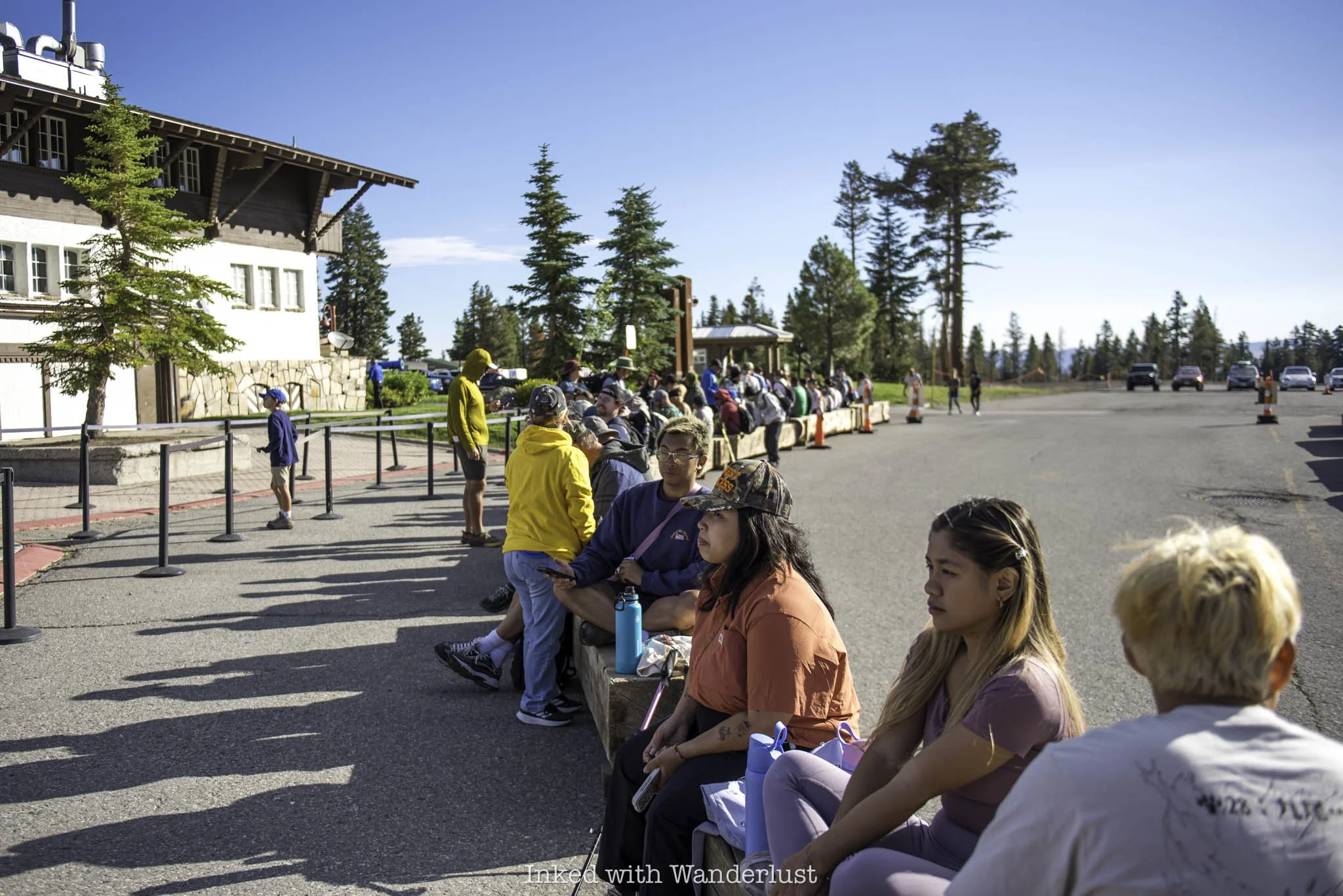
The shuttles hold 57 people, including standing room. I advise getting as early of a start as you can, as it could be a lengthy wait for a shuttle. For context, the photo above was taken at 8am on a Saturday (and there were still twenty or so people ahead of us).
In addition to Mammoth Mountain, the shuttle also picks up in Mammoth Village at 7:15am, 8am, and 8:45am. If you’re in line around these times, it’s possible the shuttle will arrive with people already riding, further exacerbating the wait.
I advise arriving in time for the very first shuttle or after 9am. At that time, there are more shuttles operating at regular intervals. In the first couple hours of the morning it’s just the one shuttle and takes about 45-minutes to complete the loop.
Devils Postpile National Monument
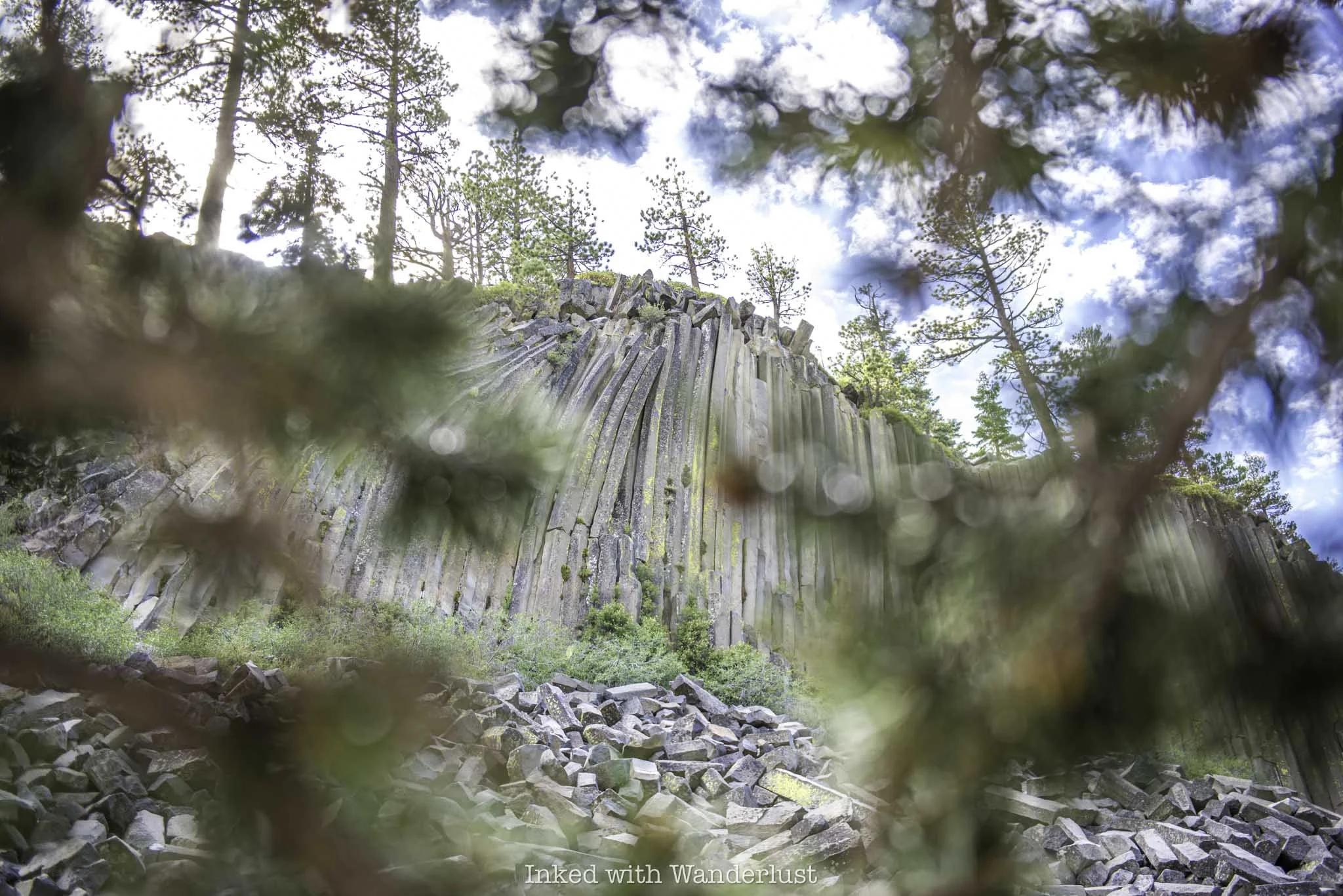
The shuttle will make multiple stops along the access road but you’ll want to get off at the valley stop which if I remember correctly is the fourth, possibly third, stop. The driver will announce which stop you’re at.
The valley is where you’ll find the campground, historic ranger station, bathrooms and Soda Springs Meadow (which is where the trail to the columns and falls begin). Facing the ranger station, the trailhead will be to your left.
Speaking of the ranger station, you should definitely check it out as it has historic ties to Yosemite. When Yosemite National Park was first established in 1890, it initially included the postpile and the surrounding land.
It remained that way until 1911 when President Taft, with the support of famed naturalist John Muir, signed a presidential proclamation making the postpile a national monument, protecting it from being destroyed by a proposed dam.
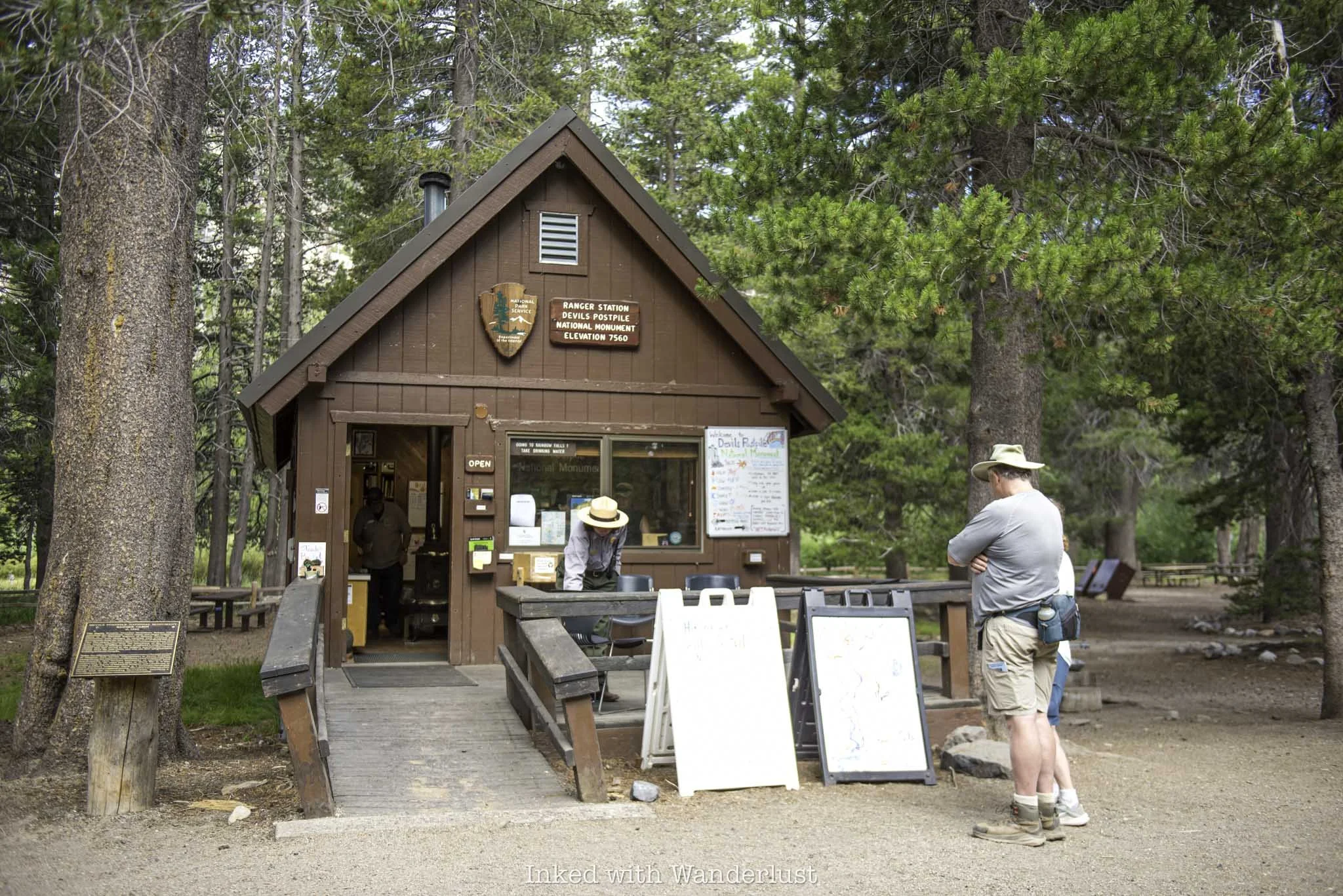
After the closing of Yosemite’s Sentinel Hotel in 1938, some of its salvaged sugar pine wood siding was used to construct the monument’s ranger station. This only deepens the monument’s historic connection to Yosemite.
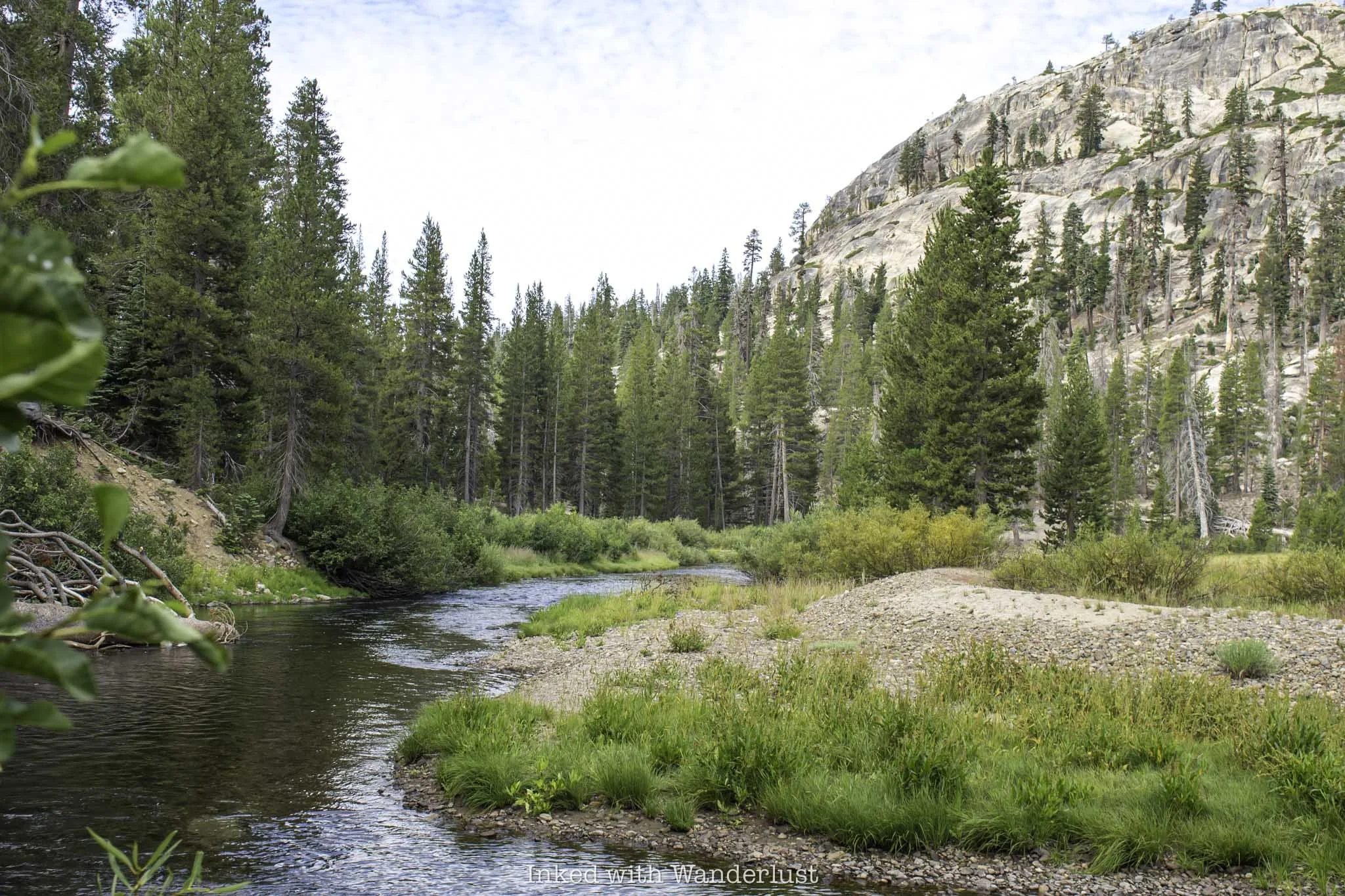
The postpile is a mere half-mile from the trailhead along an easy-to-follow, well maintained path. You’ll initially walk adjacent to Soda Springs, a beautiful meadow featuring the middle fork of the San Joaquin River, which you’ll be following for the entirety.
Shortly after Soda Springs you’ll enter a heavy forested space with the trail taking you well above the river. Before long, you’ll get your first glimpse of the postpile as it comes into view between the trees.
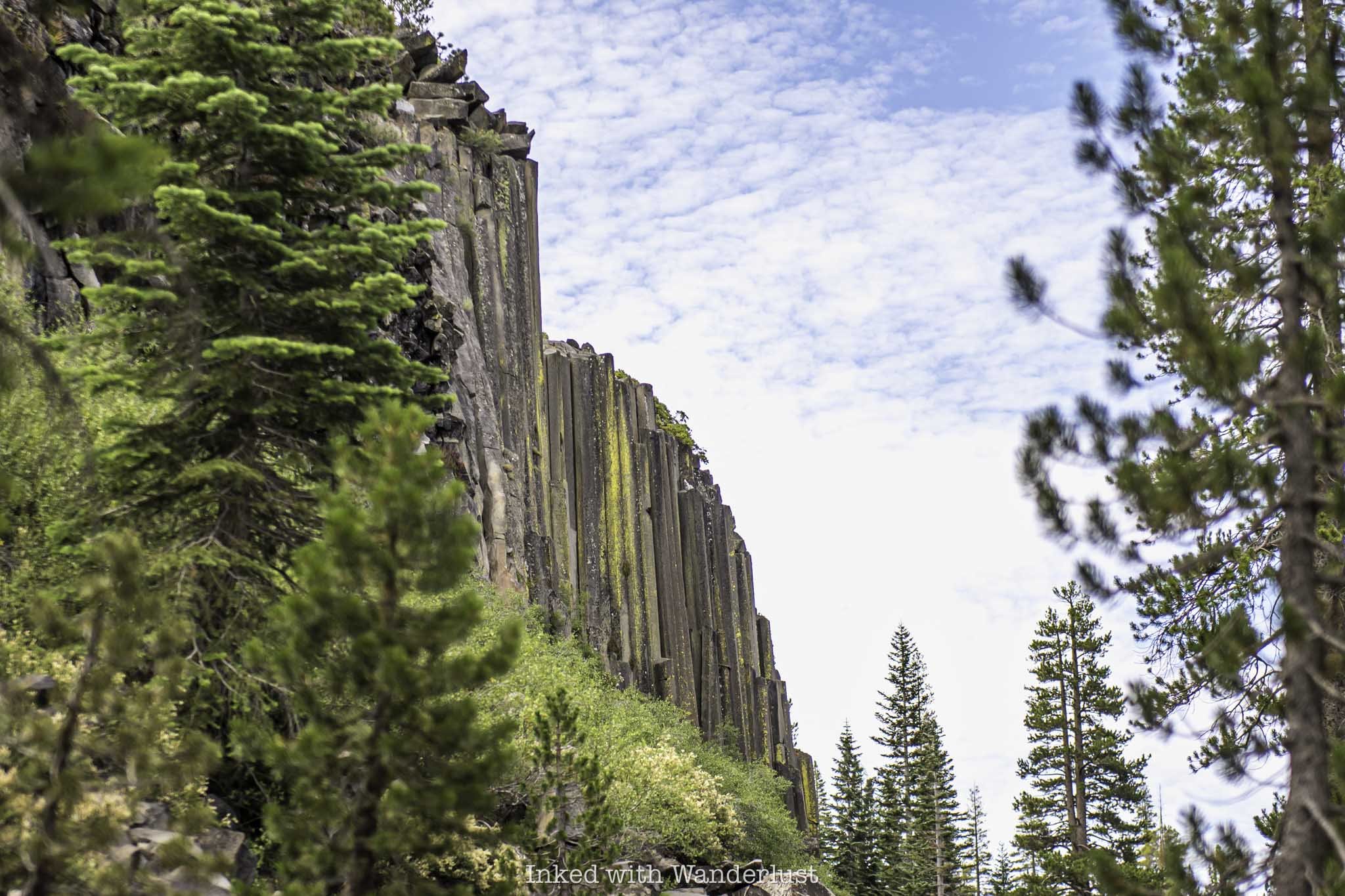
The columns formed between 80K and 100K years ago after thick, flowing basaltic lava pooled to a depth of as much as 400 feet. Over time, it slowly cooled and contracted, then fractured inward. The stress formed these near-precise, hexagonal columns.
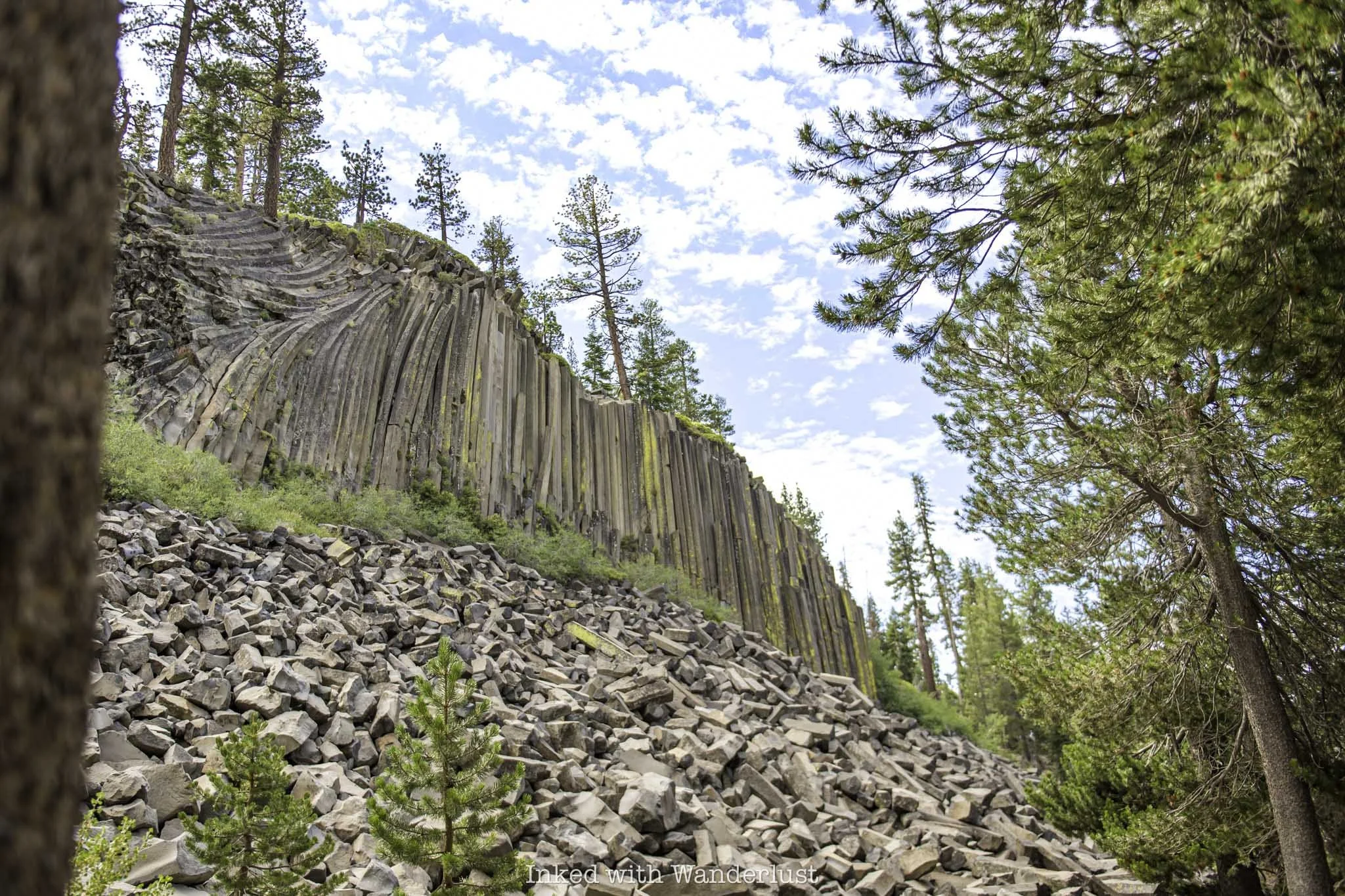
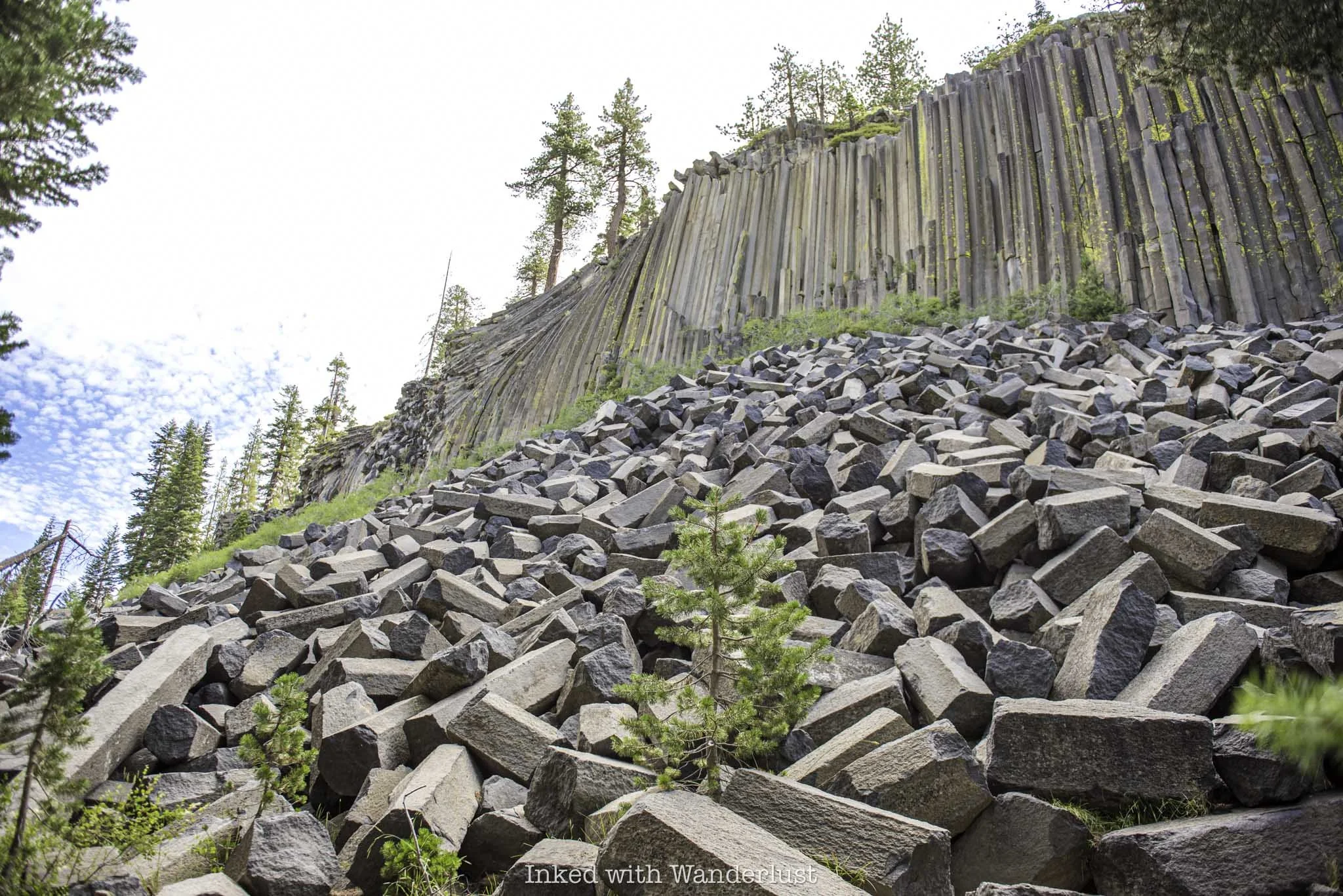
Then, during the Ice Age, massive glaciers slid over the top of the basalt mass, creating a polish of sorts. The glacier eventually sheared off one side of the columns to reveal the 60-foot natural work of art we see today.
Side Trail to the Top
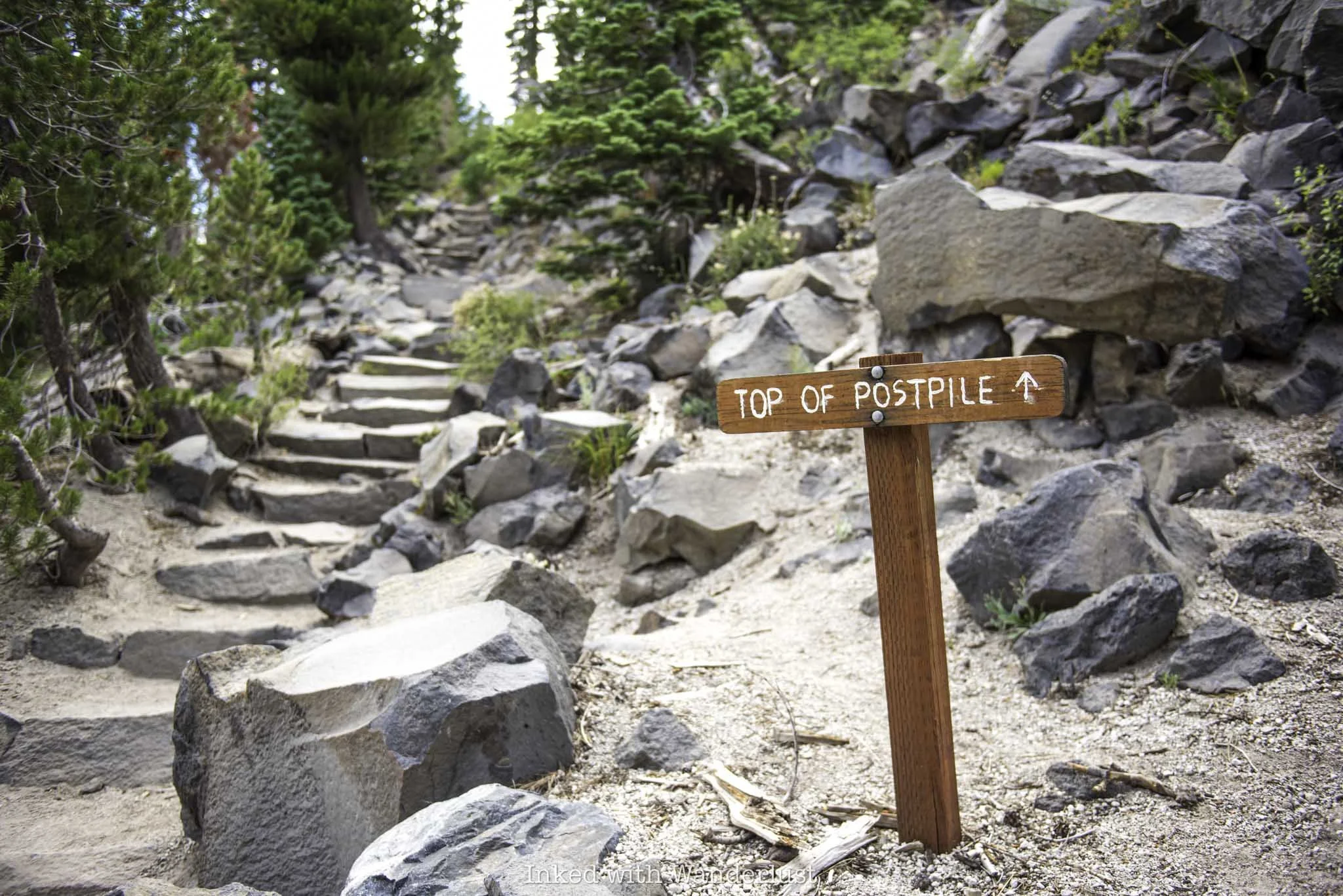
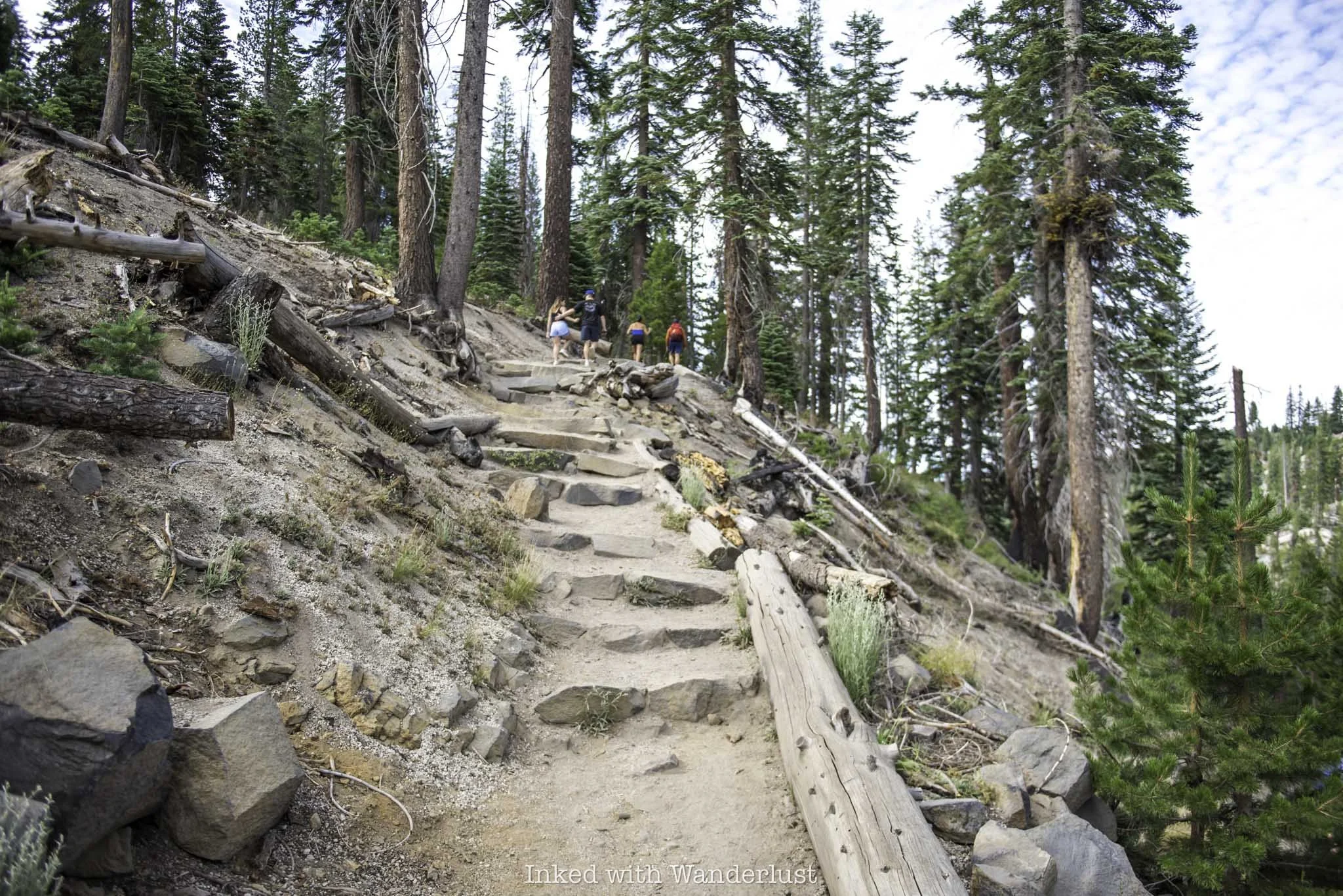
As you walk up on the postpile, keep an eye out for a side trail on your left. This trail will take you to the top of the columns to view their smooth, hexagon shaped surface. It’s an uphill slog the entire way, but it’s short and doable for most.
The trail is marked and easy to follow, though it is rife with ankle rollers and trip hazards such as rocks and tree roots. There are also portions of the trail where broken pieces of the postpile was used to create steps with.
When you get to the top, you’ll immediately see the area that most features a surface that resembles a tiled cobblestone street. The surface you’ll see displays the exposed cross-sections of the vertical basalt columns.
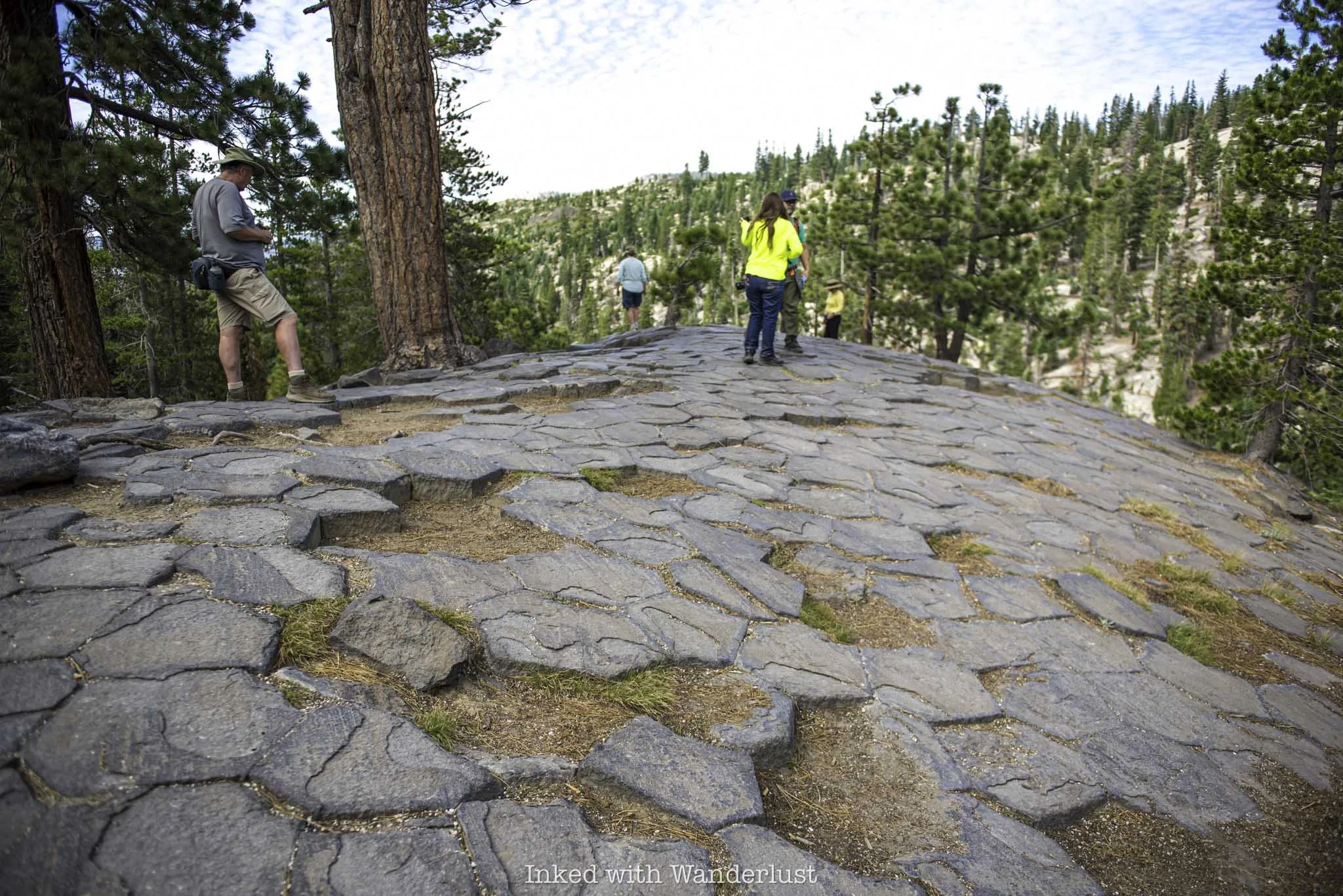
You’re free to explore all you like. There’s no barriers preventing you from walking on or touching the columns, so feel free to do both. They’re incredibly smooth to touch and you can see the groves cut in from the moving glaciers.
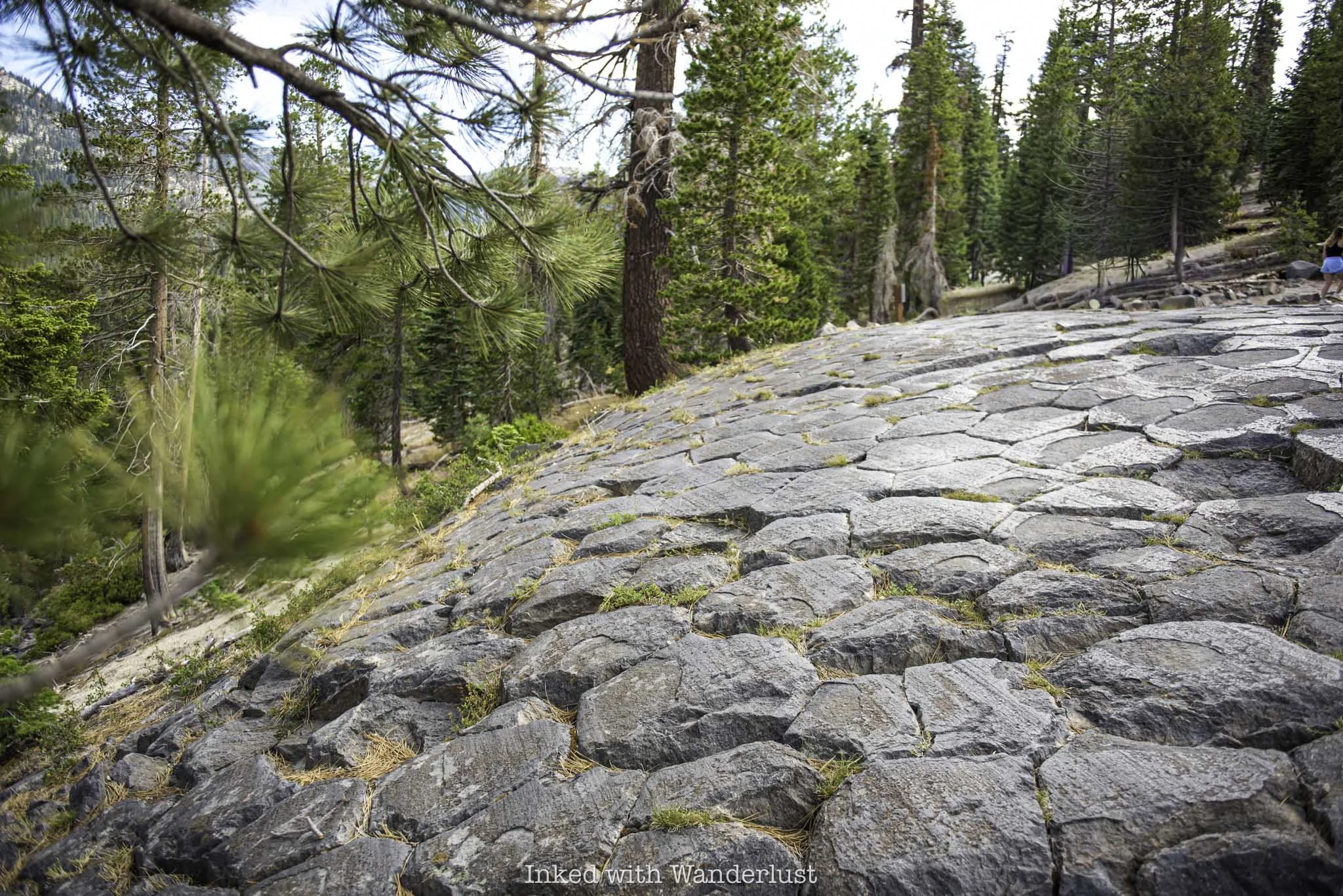
Be mindful not to get to close to the edges. Again, they’re incredibly smooth so it wouldn’t take much to accidentally slide down them. The views of the landscape and river from here are great, but not great enough to fall.
If you’ve already viewed the postpile from below then simply continue along that offshoot trail down to the other side and rejoin the main trail. If you haven’t, simply head back down the same way you came up.
Continue to Rainbow Falls
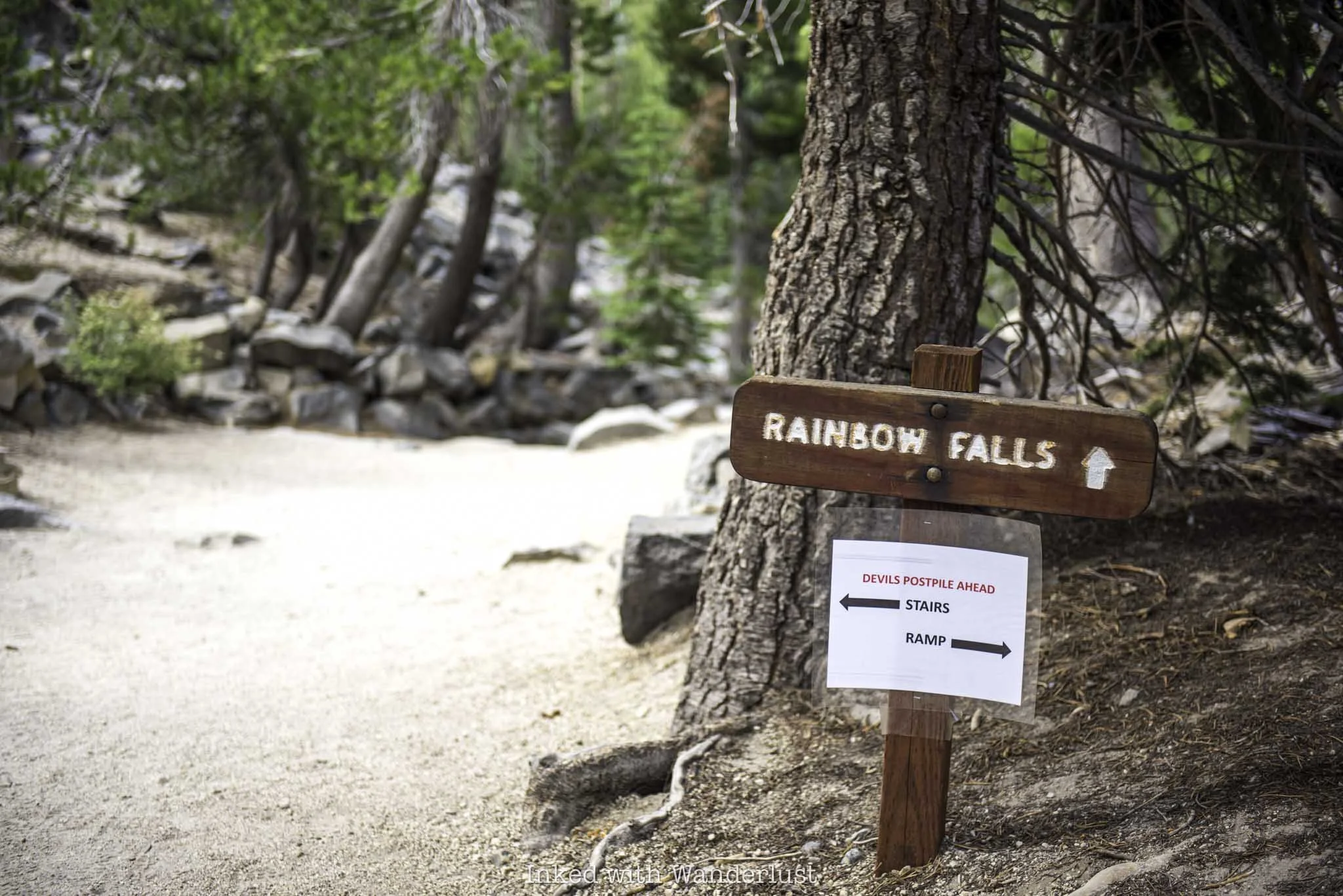
From here you have two choices. You can either head back to the shuttle once you’ve spent enough time exploring the postpile or you can press on and continue down the trail to Rainbow Falls.
From the postpile, it’s another two miles to the falls along a well-marked path. There are a few spots where there’s moderate inclines to navigate and it’s sporadically rocky but overall, it’s an easy to moderate hike.
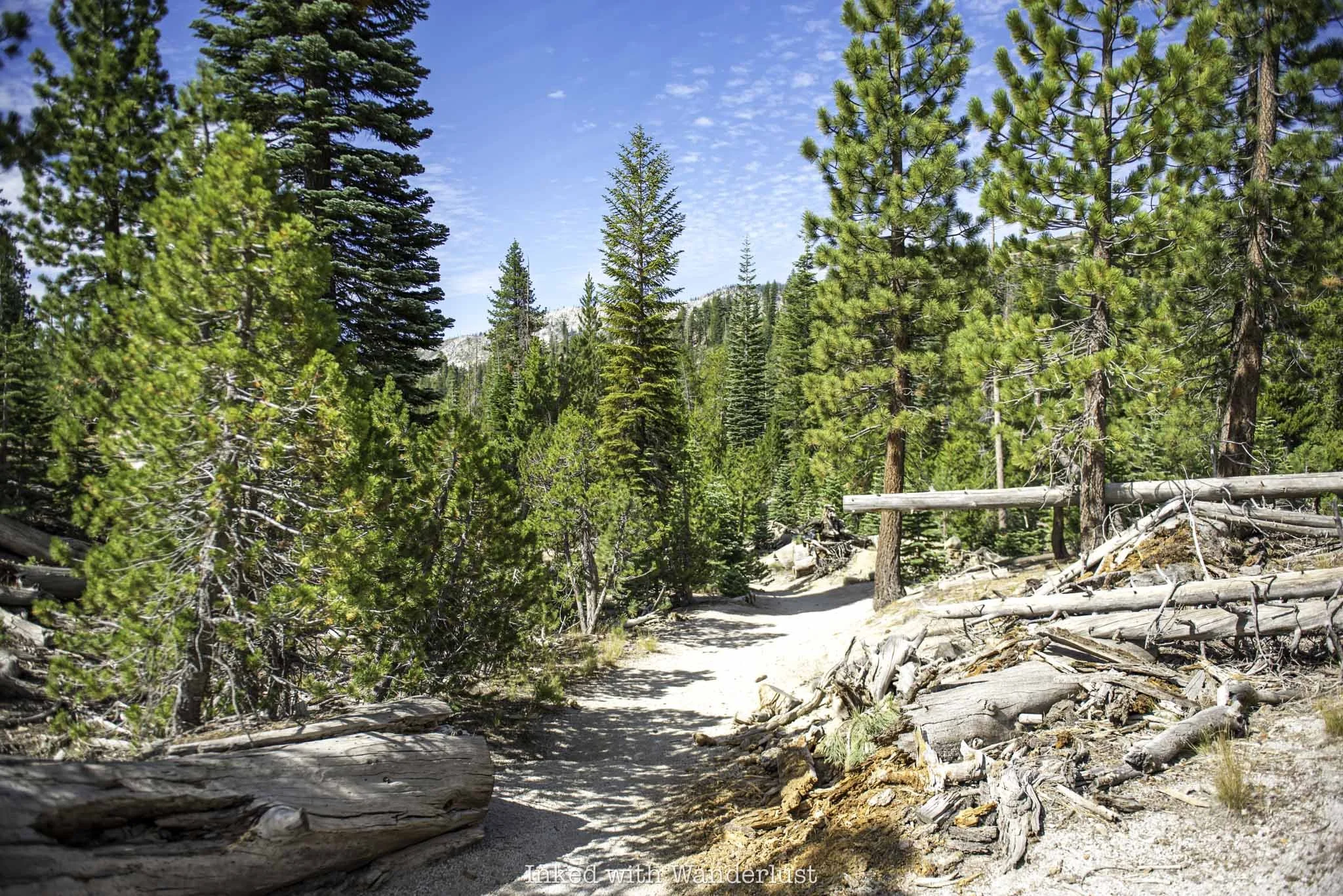
One caveat to that is it’s fairly sun exposed. You’ll be under tree cover here and there but for the most part shade will be at a premium. Be sure to be prepared with the appropriate amount of water and snacks.
Much like you were up to the postpile, you’ll be hiking adjacent to the San Joaquin River all the way to the falls. However, the river isn’t accessible throughout much of it so don’t count on it as your water source.
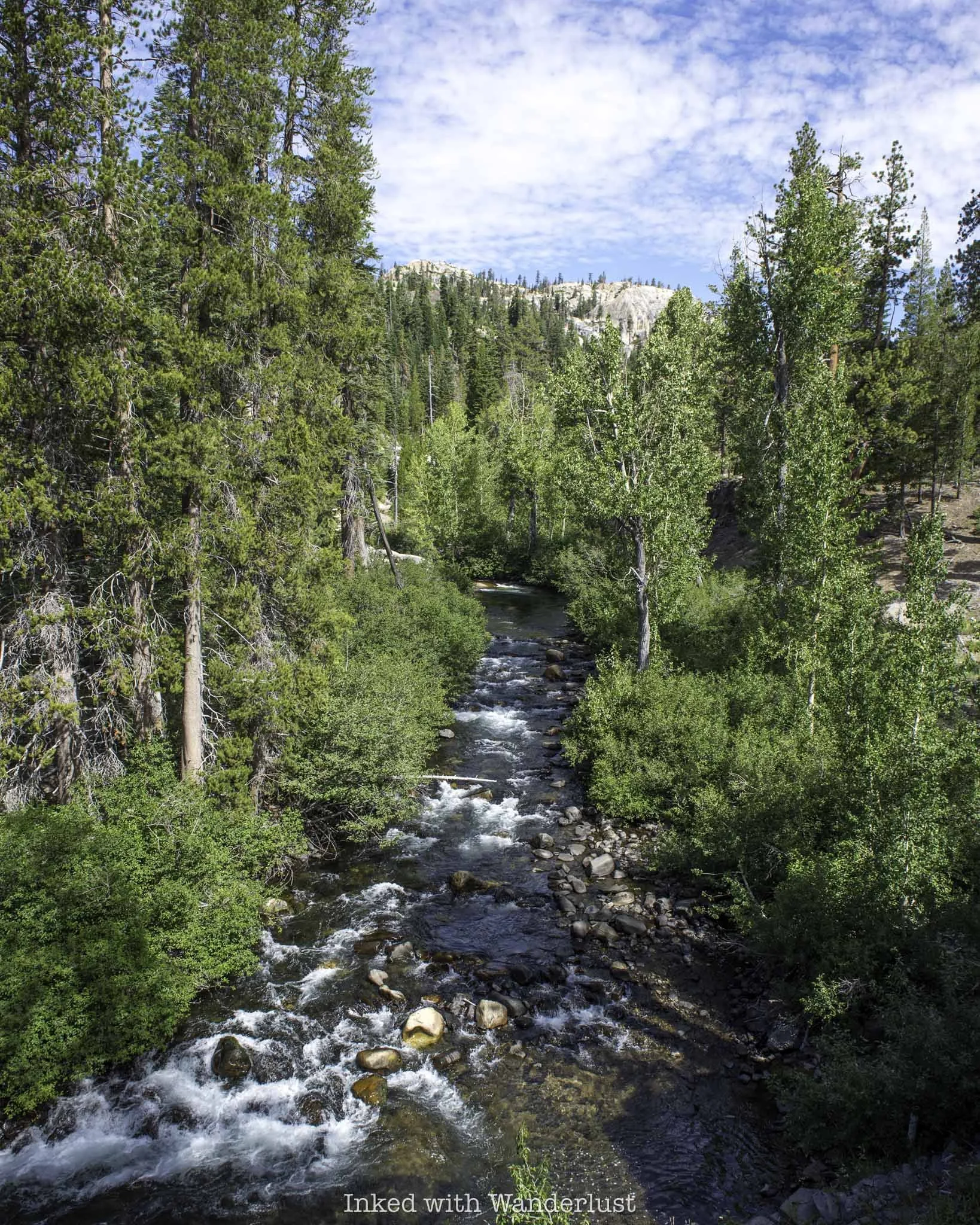
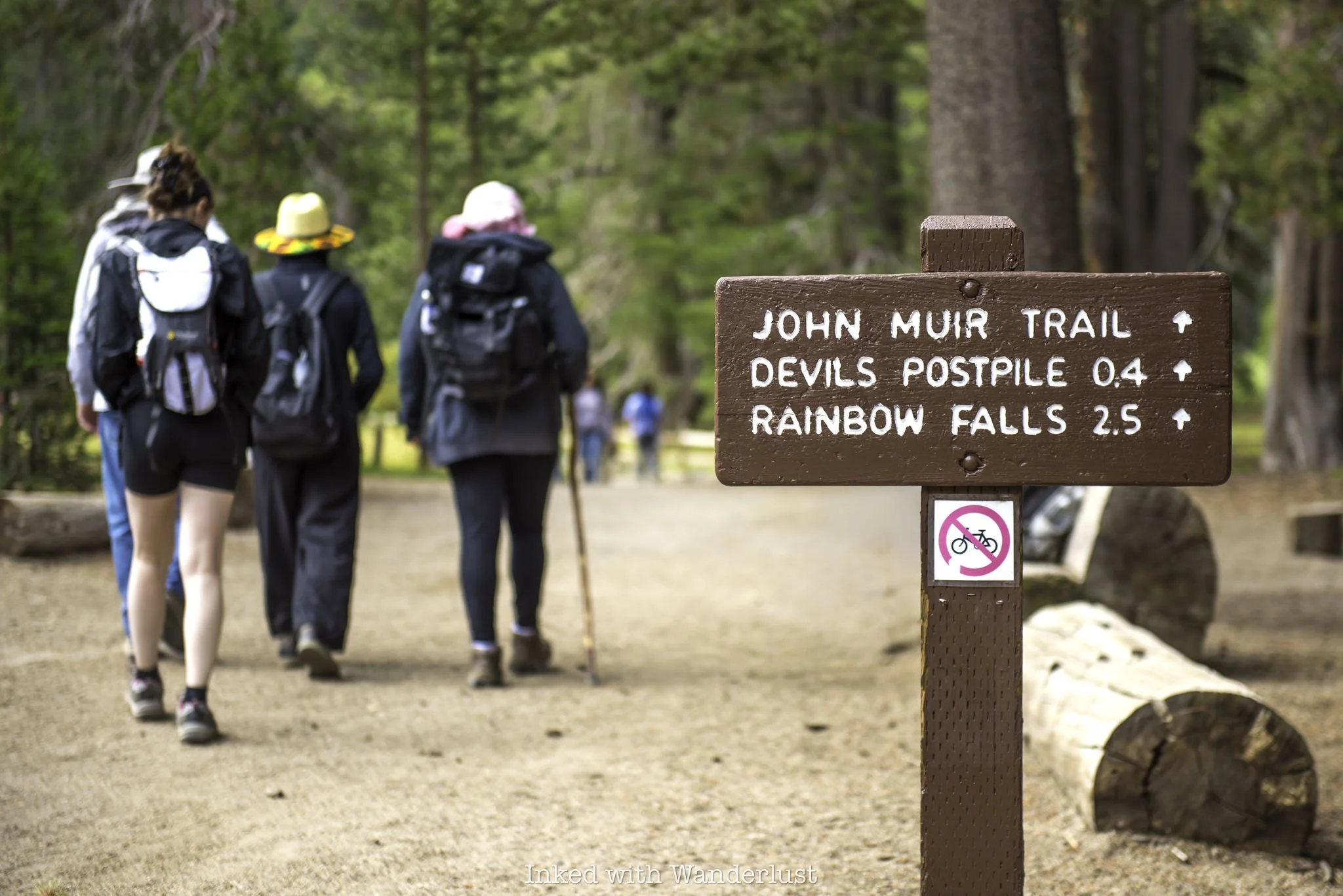
You’ll come to three junctions along the way. At the first two you’ll continue straight, following the signage. At the third, you’ll make a right to the falls. No matter what time of year you’re here, you’ll hear the falls before you see it.
Once there, you’ll see two concrete viewing decks. The first one is closest to and above the crest of the falls and is the most popular. Further down the trail the second viewing deck offers a slightly lower and further away view, allowing you to take in more of the surroundings.
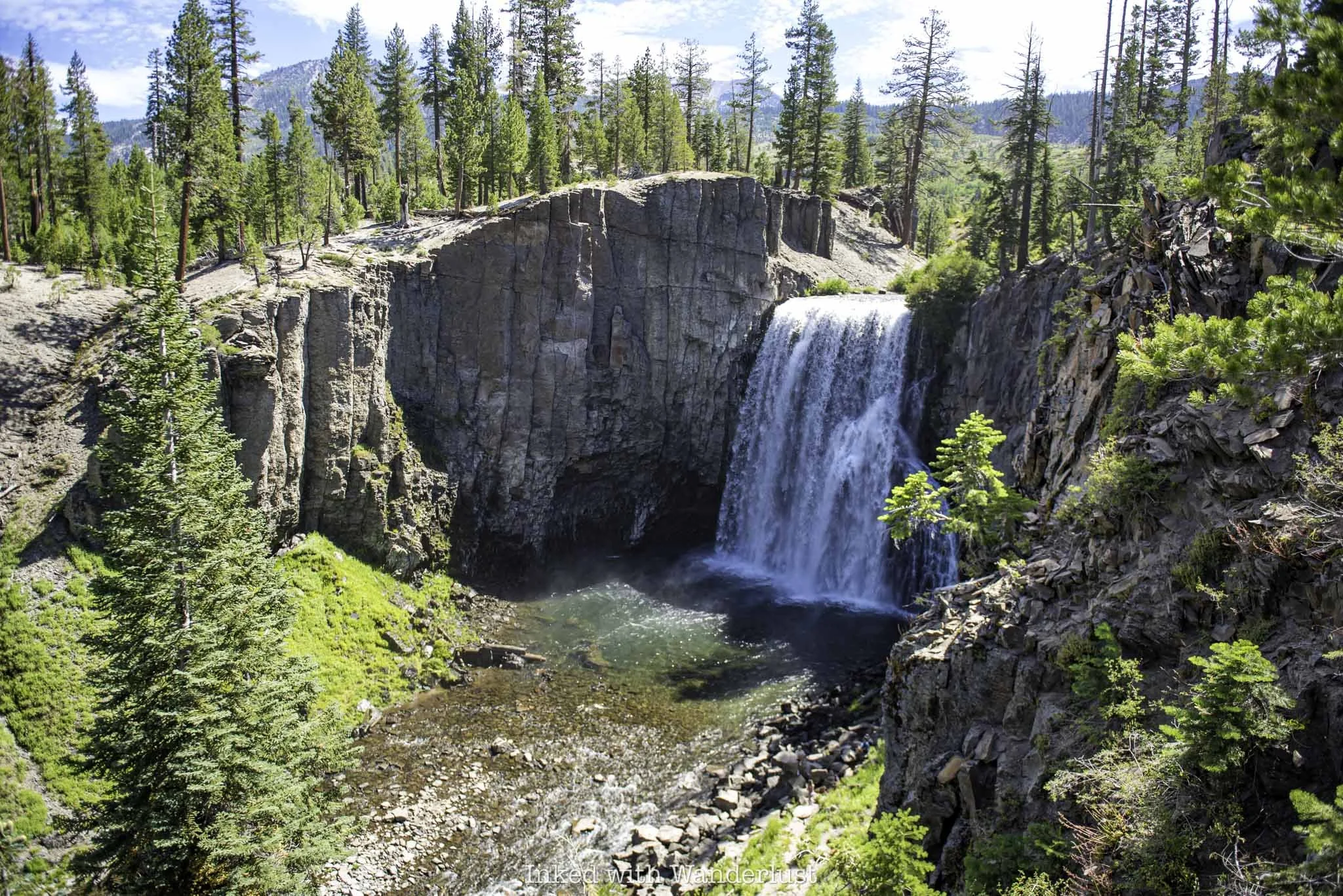
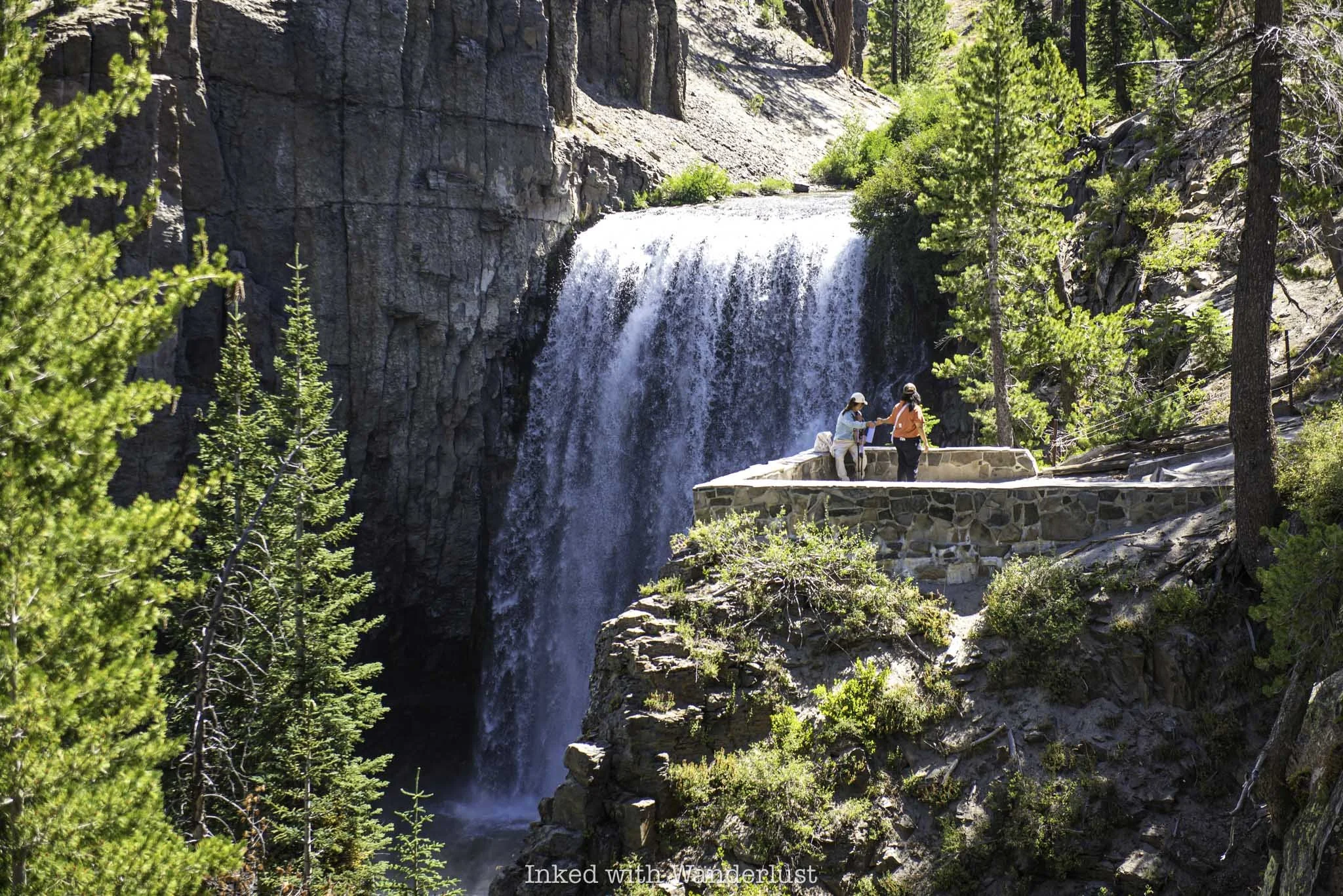
The trail continues from here but I’m not sure where it goes. If you’re only here for the postpile and Rainbow Falls, then you’ve come to the terminus of the trail. There are a few spots around the falls to rest and eat.
It may be the end of the trail, proper, but there’s still one last offshoot you can (and should) explore. Just past the second viewing deck is a stairwell leading hikers down to the base of Rainbow Falls.
The Base of Rainbow Falls
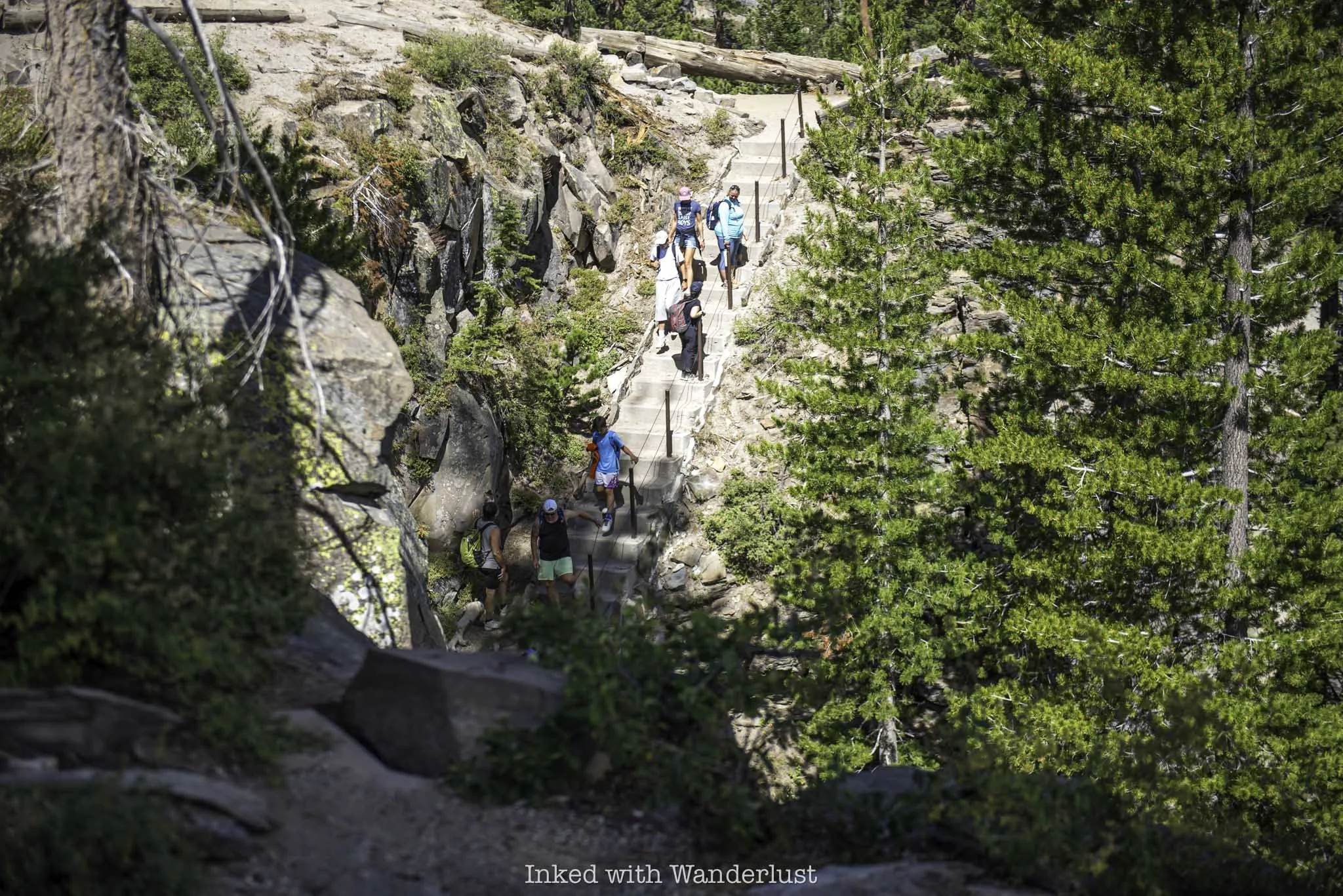
The stairs are fairly steep. If you’ve hiked Yosemite’s Mist Trail, then you’ll find this stairwell to be nothing in comparison. They start out paved for the first two flights before transitioning to wider, dirt steps with wood pillars in between.
There isn’t a whole lot of room on them, so if it’s busy you’ll often find yourself playing the stop-and-go game with other hikers. Most folks wouldn’t have an issue on them but those with disabilities may have some difficulty.
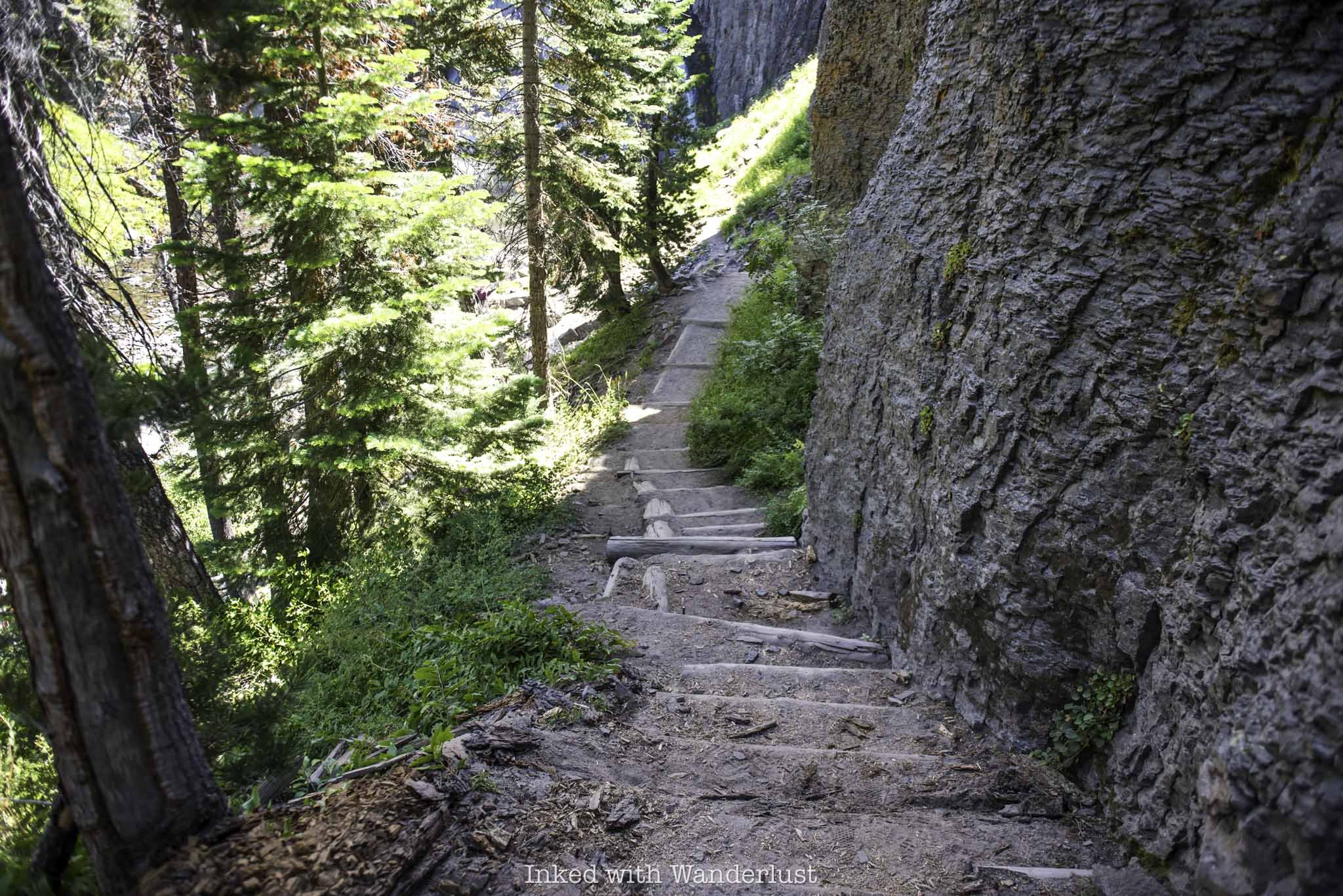
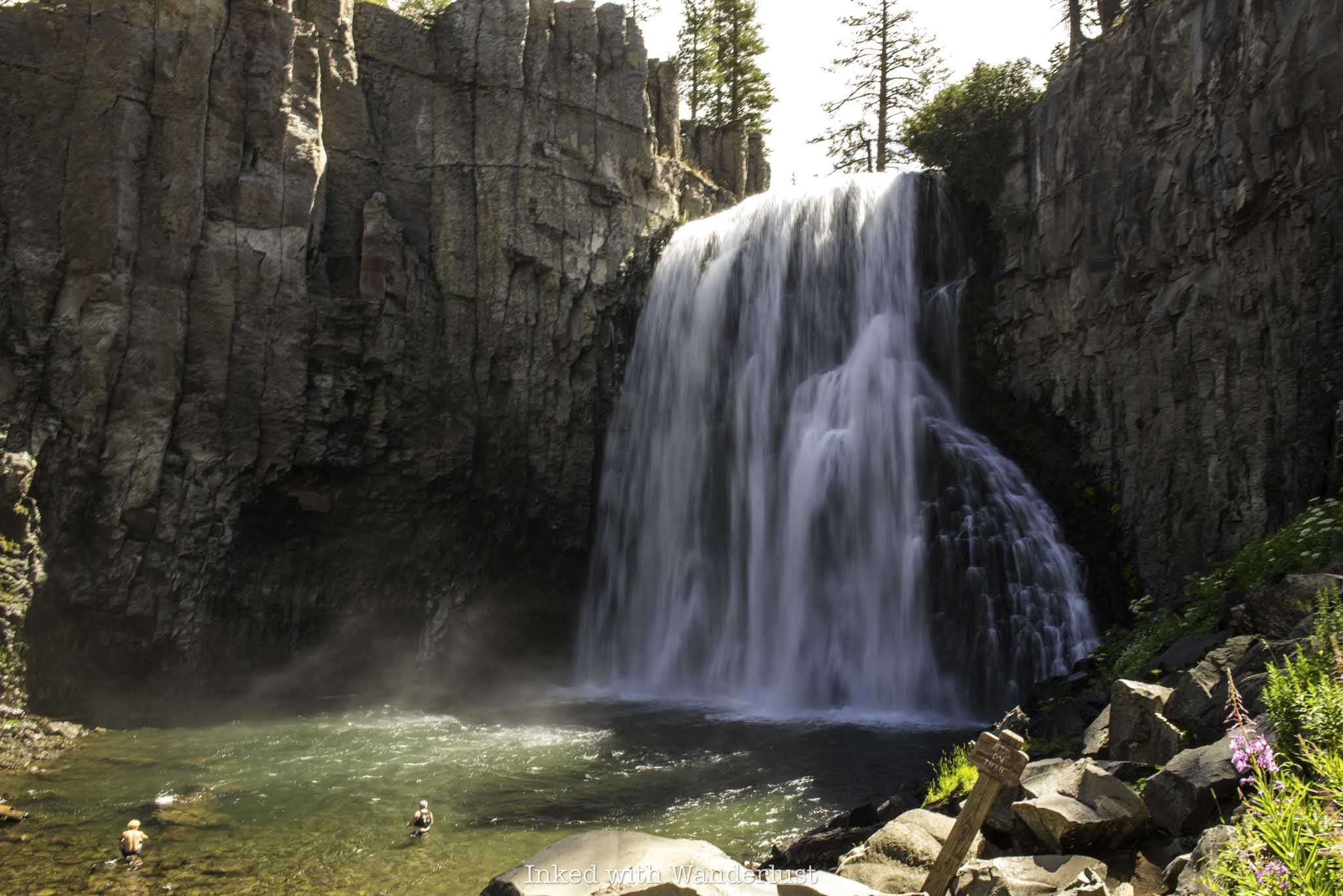
There isn’t a whole lot of space when you get down there. Due to that, most people spread out along the banks of the river rather than in the small viewing space. There’s also a spur trail heading toward the right of the falls you can take, but it takes some navigating.
This section of river isn’t very deep, making it ideal for children to play in (definitely wear water shoes as it’s rocky). Additionally, the pool around the falls makes for a nice swimming hole, though be sure to avoid the falls itself.
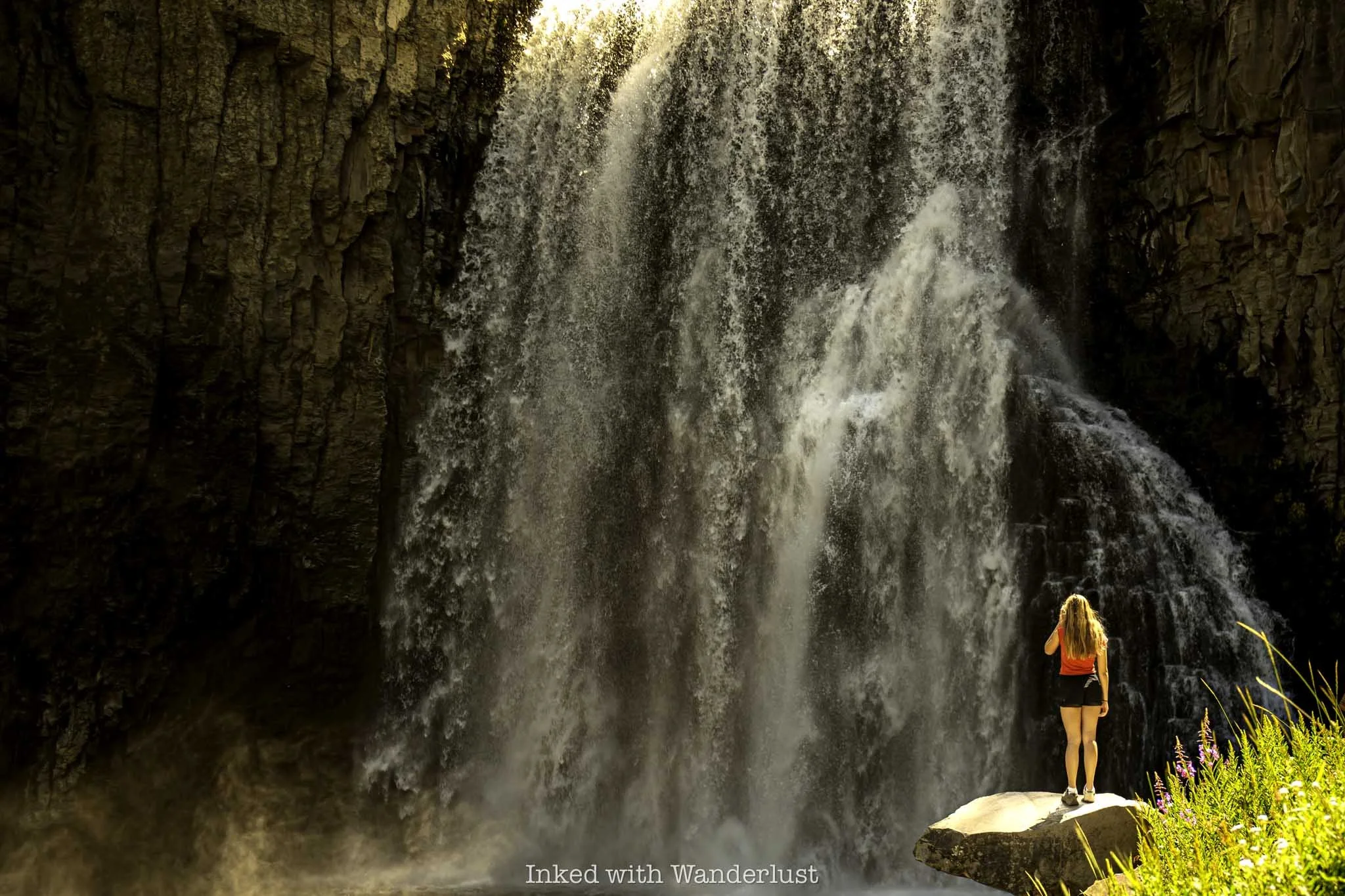
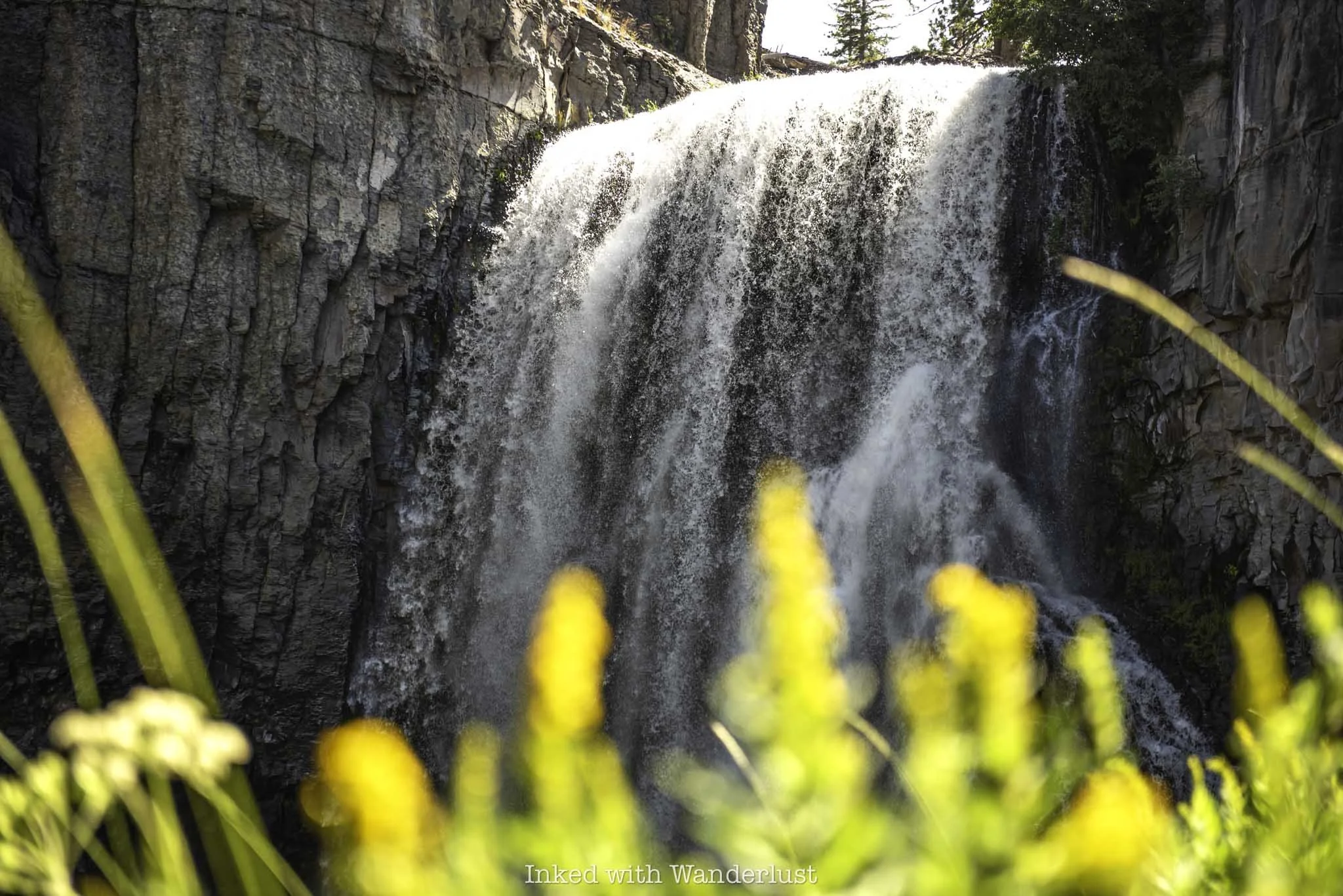
If you want that perfect Insta-worthy shot, there’s a small boulder located to the right of the falls offering that opportunity (you can see it in the photo above). During my visit there was a literal queue of folks waiting to get theirs.
There isn’t anywhere else to go from here. Spend as much time as you like exploring the base of the falls, go for a swim, and then head back up the stairwell. From there, head back to that last junction where you turned right and face your next decision.
Side Quest to Lower Falls
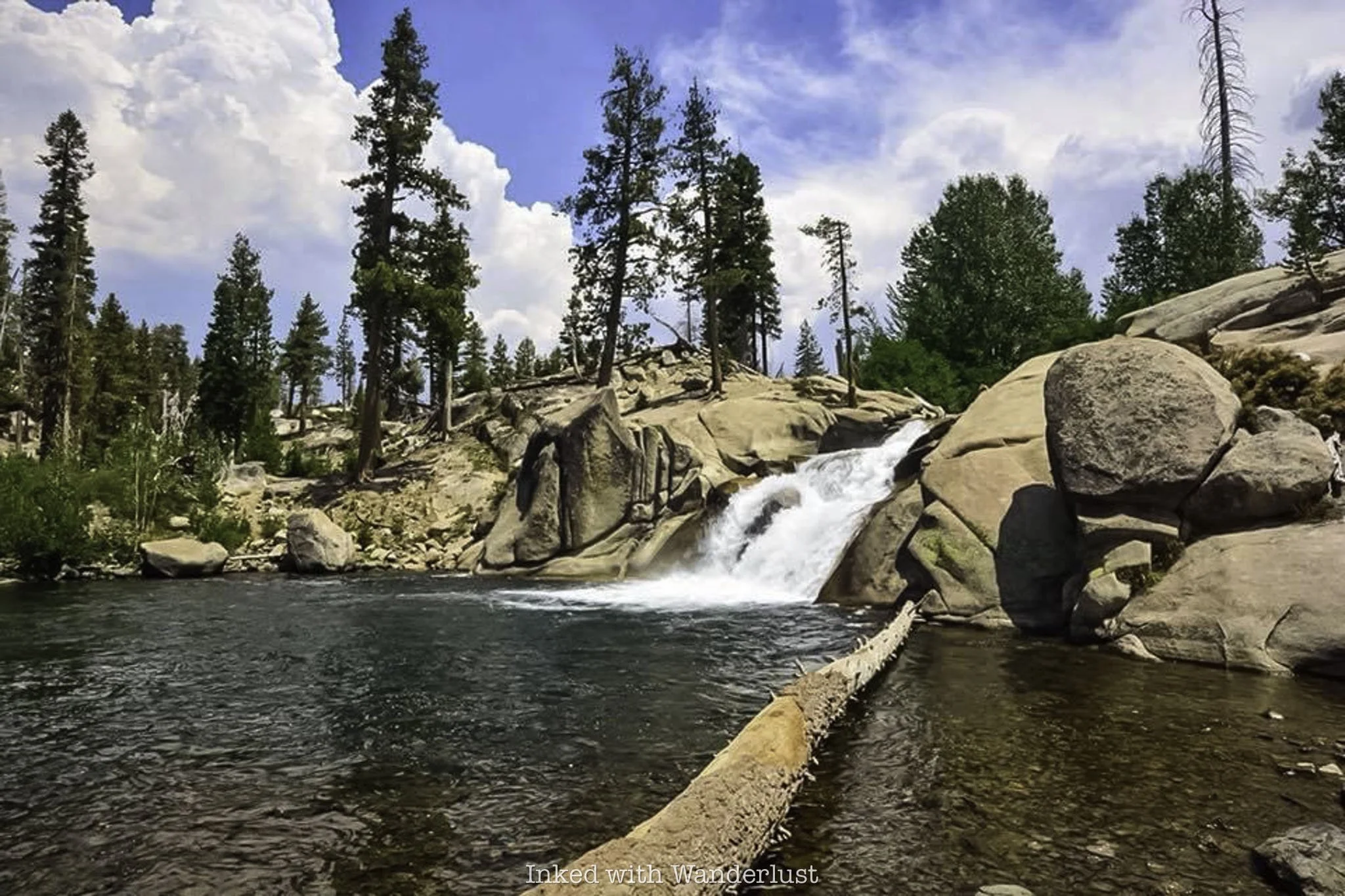
At that junction you can either go left to make your way back to the shuttle or you can go right to Lower Falls (pictured above). Lower Falls is a small waterfall at just fifteen feet and pours into a picture-perfect swimming hole.
I went down there during my first visit to the monument in 2018. It was far less crowded (and often is) than the base of Rainbow Falls and made for some enjoyable swimming. That broken tree log you see in the photo above is no longer there.
It’s roughly a mile from that junction which would make your total one-way hike at around the 3.5 mile mark. Additionally, the trail goes through some overgrown brush (not too bad) and is just as sun exposed as the rest of the trail.
Additional Things to Know
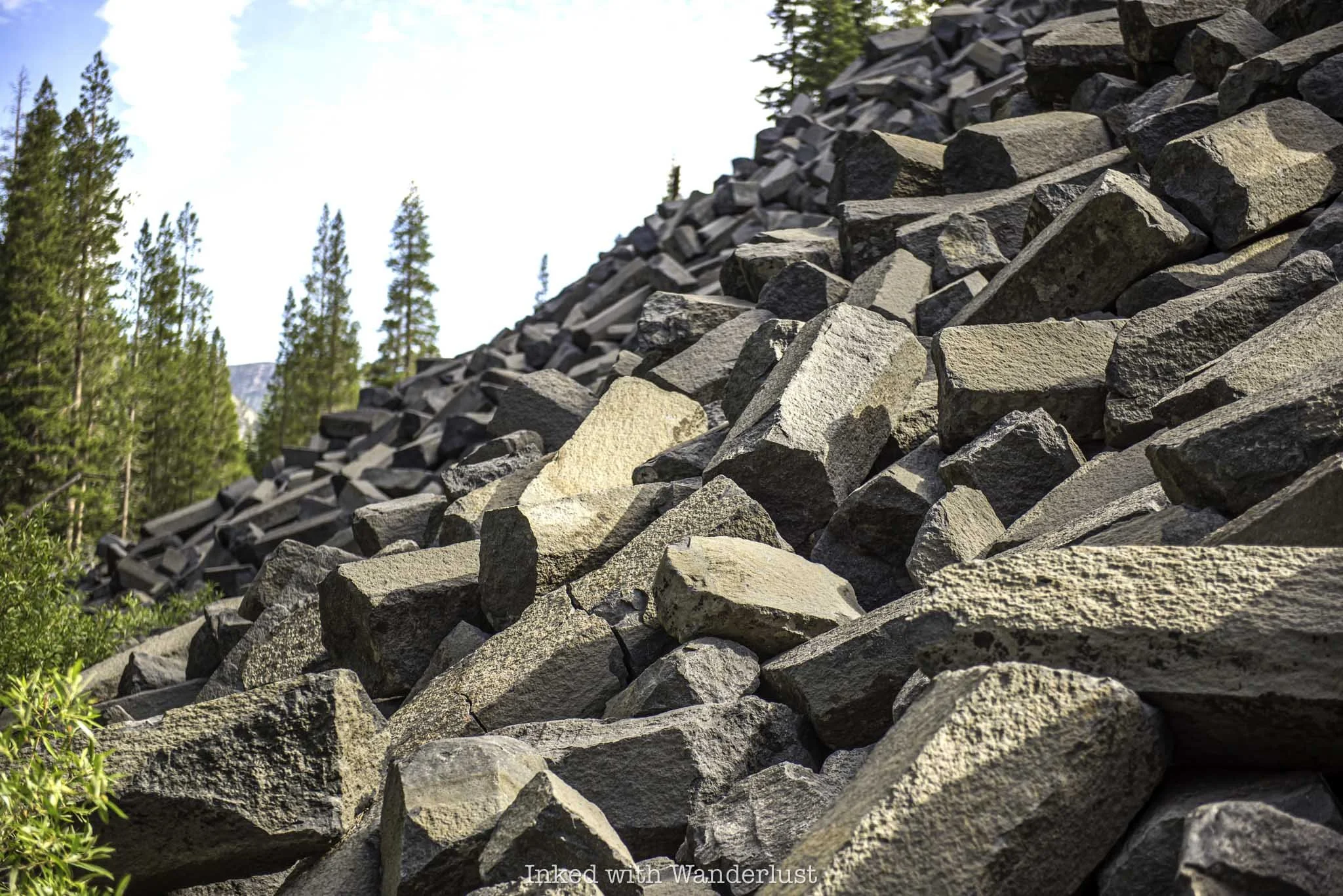
Mileage will vary. If you only hike to the columns, you’re looking at just under a mile from the shuttle to the columns and back. If you go to Rainbow Falls, that’ll make it 5 miles round-trip and if you include Lower Falls, prepare for 7 miles round-trip.
The Monument is free, but the shuttle isn’t. If you manage to arrive outside the operating hours of the shuttle, you’re free to drive down to the valley. Otherwise, you must pay for and use the shuttle.
The Monument is seasonal. Due to heavy snowfall, the Monument is only accessible from mid June to around mid to late October. Plan your visit accordingly.
Crowds get heavy. The monument is one of the most popular attractions in the area. As such, crowds get dense. Your best bet for lighter crowds is in the morning and during the week.
Your annual national parks pass won’t waive the shuttle fee. Keep this in mind if you’re a pass holder. Everyone pays for the shuttle.
The trail to Devil’s Postpile is (kind of) wheelchair and stroller friendly. I know of people who have pushed strollers on this trail and others who have used a wheelchair, but they did struggle. As you approach the columns, there’s a ramp to help circumvent the rocky stairwell but you will encounter thick tree roots and rocks along the trail. Beyond the columns to the falls, wheelchairs and strollers won’t be possible.
Bring plenty of water. Seriously. I underestimated this trail due to it being short but didn’t realize how exposed the trail to Rainbow Falls was and was nearing dehydration on the way back.
The monument is dog friendly. Dogs are allowed in the monument and on the shuttle. They must be leashed at all times while in the monument and must wear a muzzle while on the shuttle. If you don’t have one, you can purchase one where you buy your shuttle tickets.
*If you’ve found this post helpful, consider leaving a tip at the “Buy Me a Coffee” button below. These tips help with ongoing costs such as parking fees, entry fees, meals, etc. Thank you for reading!


Formed roughly 80,000 years ago, the up to 60 foot basalt columns of Devil’s Postpile National Monument are a sight to behold. The saying, “you won’t believe it until you see it”, holds